Can Stress Cause Physical Symptoms? What People in the UAE Should Know
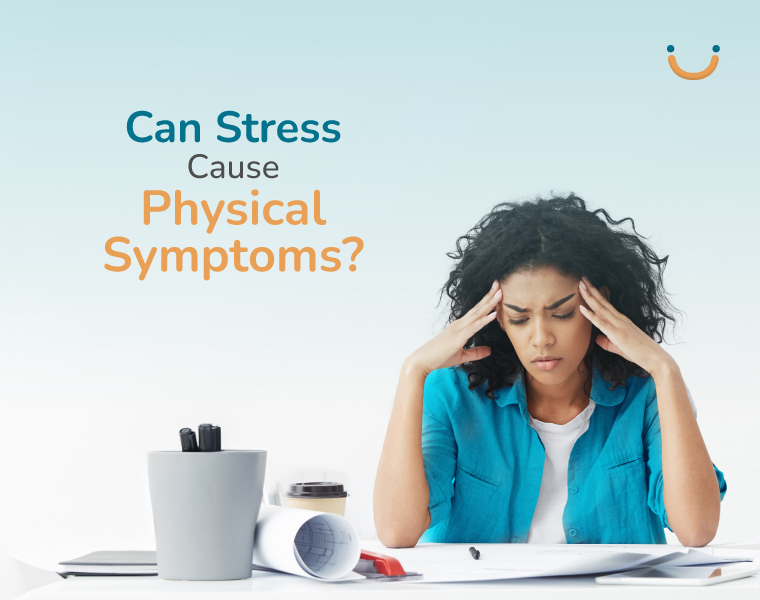
Yes, stress can cause physical symptoms – and people don’t always recognise it until those symptoms start interfering with daily life. It can show up as headaches, chest discomfort, digestive issues, or even constant fatigue. In this blog, we explain how stress can cause physical symptoms, what warning signs to notice, and what people living in the UAE should understand before ignoring these signals.
- Introduction
- What Is Stress?
- Can Stress Cause Physical Symptoms
- Early Body Signals You Shouldn’t Ignore
- Types of Stress
- Common Physical Symptoms of Stress
- When Should You Be Concerned?
- Treatment and Management Options
- How We Support You at Betterly Wellness
- Final Thoughts
- FAQs
Introduction
Stress is often treated like a normal part of life. Something you just “handle and move on.” But the body doesn’t work like that. It keeps responding, even when we try to ignore it.
Over time, stress builds quietly. At first, it feels manageable. Then slowly, it starts showing up in physical ways – a headache here, a sleepless night there. Nothing too serious at first. But if it continues, it becomes harder to ignore.
What Is Stress?
Stress is the body’s response to pressure, change, or demand. It can come from work, relationships, finances, or even major life transitions like moving to a new country.
In short bursts, stress is not harmful. It can actually help you stay alert and focused. But when stress becomes frequent or constant, the body doesn’t get enough time to recover.
The nervous system stays active. Hormones remain elevated. The body is, in a way, stuck in a state of readiness. And this is where problems begin.
In fast-moving environments like the UAE, where expectations are high and routines can feel intense, this kind of prolonged stress is quite common.
Can Stress Cause Physical Symptoms ?
Yes – and not just mild discomfort. Stress can lead to noticeable physical symptoms that feel very real and sometimes even alarming.
When stress continues over time, the body releases stress hormones like cortisol and adrenaline repeatedly. These hormones are useful during short-term challenges, but when they stay elevated, they begin to affect different systems in the body.
This ongoing response leads to what is often called a mind-body or psychosomatic connection – where emotional stress begins to affect physical health.
So if you’ve been wondering whether stress could be behind certain unexplained symptoms, the answer is yes. It’s more common than people expect.
Early Body Signals You Shouldn’t Ignore
Before major symptoms appear, the body usually sends smaller warning signs. These are easy to miss or dismiss:
- Feeling unusually tired even after proper sleep
- Frequent, mild headaches
- Tightness in the neck or shoulders
- Difficulty focusing on simple tasks
- Feeling slightly overwhelmed without clear reason
- Changes in appetite or eating habits
These signs may seem minor. But they often indicate that the body is under pressure. Ignoring them for too long can lead to more intense symptoms later.
Types of Stress
Understanding different types of stress helps in recognising how serious the situation might be:
1. Acute Stress
Short-term stress that appears in response to immediate challenges – deadlines, presentations, or sudden changes. It usually fades once the situation passes.
2. Episodic Acute Stress
This occurs when acute stress happens repeatedly. People may feel constantly rushed, anxious, or unable to relax.
3. Chronic Stress
This is long-term stress that stays for weeks or months. It may be linked to ongoing work pressure, financial concerns, or personal struggles. Chronic stress is the most likely to cause physical symptoms.
Chronic stress doesn’t just affect mood – it slowly impacts physical health if left unmanaged.
Common Physical Symptoms of Stress
As stress continues, symptoms become more noticeable and sometimes more intense:
Headaches and migraines that occur frequently
Chest tightness or discomfort, often mistaken for heart issues
Muscle pain and stiffness, especially in the back, neck, and shoulders
Digestive problems such as bloating, acidity, or irregular bowel habits
Persistent fatigue, even after resting
Sleep disturbances, including difficulty falling or staying asleep
Rapid heartbeat or palpitations, even without physical activity
One thing that makes stress-related symptoms confusing is that they can come and go. Some days feel normal, others don’t. This inconsistency often delays people from seeking help.For a medical perspective, you can refer to National Institute of Mental Health (NIH)
When Should You Be Concerned?
Not every symptom needs immediate attention, but certain signs should not be ignored.
You should consider seeking support if:
Symptoms last for several weeks
Medical tests do not explain the condition
Physical discomfort starts affecting daily routines
You feel anxious or worried about your health frequently
Symptoms are becoming more intense over time
These signs indicate that stress may be affecting your body more than expected.
Treatment and Management Options
Managing stress-related physical symptoms is possible, but it requires consistency and awareness.
1. Psychological Therapy
Talking to a trained professional helps identify stress triggers and patterns. It also helps in developing healthier ways to respond to pressure.
2. Relaxation and Breathing Techniques
Simple breathing exercises, when practiced regularly, can calm the nervous system and reduce physical tension.
3. Lifestyle Adjustments
Improving sleep habits, maintaining regular meals, and including some physical movement in your day can make a noticeable difference.
4. Time and Routine Management
Reducing overload and creating a balanced daily structure helps prevent stress from building up.
5. Medical Guidance
In some cases, additional medical support may be recommended depending on the severity of symptoms.
There’s no single solution. What works best is a combination of small, consistent steps.
How We Support You at Betterly Wellness
At Betterly Wellness, we understand that physical symptoms linked to stress can feel confusing and sometimes even worrying.
As a Mental Health Clinic in Sharjah, we support individuals who experience ongoing stress and its physical effects, especially when there’s no clear medical explanation.
Our approach focuses on:
- Identifying underlying stress patterns
- Understanding emotional triggers
- Offering practical coping strategies
- Supporting both mental and physical well-being
We keep things realistic and manageable. The goal is not to remove stress completely, but to help your body respond to it in a healthier way.
Final Thoughts
Stress is not just something you think about – it’s something your body reacts to.
The earlier you recognise the signs, the easier it becomes to manage them. Ignoring symptoms often leads to more discomfort, while understanding them brings clarity.
Small changes, done consistently, can improve both mental and physical well-being over time.
Reach Out to Betterly Wellness
If you’re experiencing physical symptoms and suspect stress could be the reason, reach out to Betterly Wellness. We’re here to help you understand what your body is trying to tell you and guide you toward feeling better.
Frequently Asked Questions