How Social Media Use Is Affecting Mental Health in the UAE
Social media is everywhere now. From morning scrolls to late-night reels, it has quietly become part of everyday life. But people are starting to ask an honest question: how social media use is affecting mental health in the UAE.
In this blog, we talk about what’s really happening behind the screens – the emotional effects, warning signs people often ignore, and practical ways to build a healthier relationship with social platforms.
- Why Social Media Feels So Hard to Ignore
- How Social Media Use Is Affecting Mental Health in the UAE
- Common Emotional and Psychological Signs
- Why Social Comparison Hits Harder Online
- Support and Guidance from Betterly Wellness
- Final Thoughts
- FAQs
Why Social Media Feels So Hard to Ignore
A decade ago, social media was mostly a place to share photos and stay connected with friends. Today it’s something much bigger. In the UAE, people spend several hours daily on platforms like Instagram, TikTok, and Snapchat.
Sometimes it feels harmless. Sometimes it’s fun. But slowly, for many people, constant scrolling starts affecting mood, sleep, confidence, and even relationships. And the tricky part? Most people don’t notice the change right away.
How Social Media Use Is Affecting Mental Health in the UAE
Social media itself isn’t the villain. It connects people, spreads information quickly, and even helps communities support each other.
But the way it is used… that’s where things start shifting.
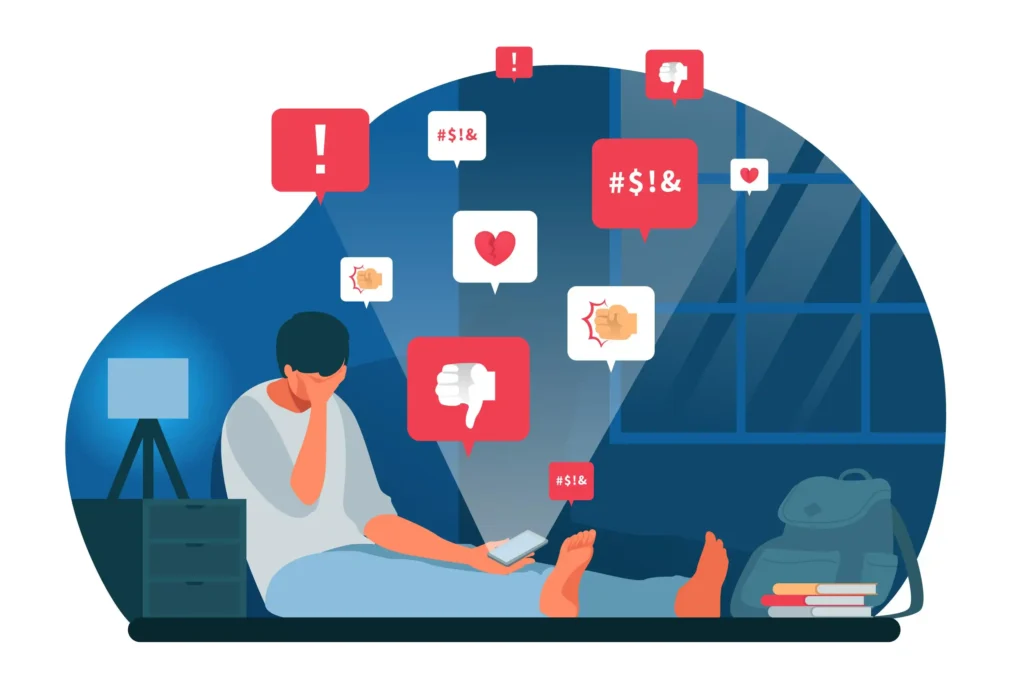
Across the UAE, Mental health professionals increasingly observe patterns where excessive social media use is associated with anxiety, stress, and reduced self-esteem.. People reporting anxiety aMental health professionals increasingly observe patterns where excessive social media use is
associated with anxiety, stress, and reduced self-esteem.Mental health professionals increasingly observe patterns where excessive social media use is
associated with anxiety, stress, and reduced self-esteem.after spending hours online. Teens feeling pressure to look perfect. Adults feeling behind in life after seeing endless success stories.
Research from organizations such as the World Health Organization (WHO) and the American Psychological Association (APA) suggests that excessive social media use may increase stress and feelings of loneliness, especially when it replaces real-world interaction.
You see it often in small ways.
- Someone wakes up and immediately checks notifications.
- A post gets fewer likes than expected.
- A friend’s vacation photo sparks a quiet comparison.
Little moments. But repeated daily, they start shaping how people feel about themselves.
Common Emotional and Psychological Signs
Sometimes the effects appear slowly. People might not even link them to social media at first.
Here are some signs many individuals in the UAE report during consultations:
1. Constant Comparison
Seeing curated lives online can make people feel like everyone else is doing better.
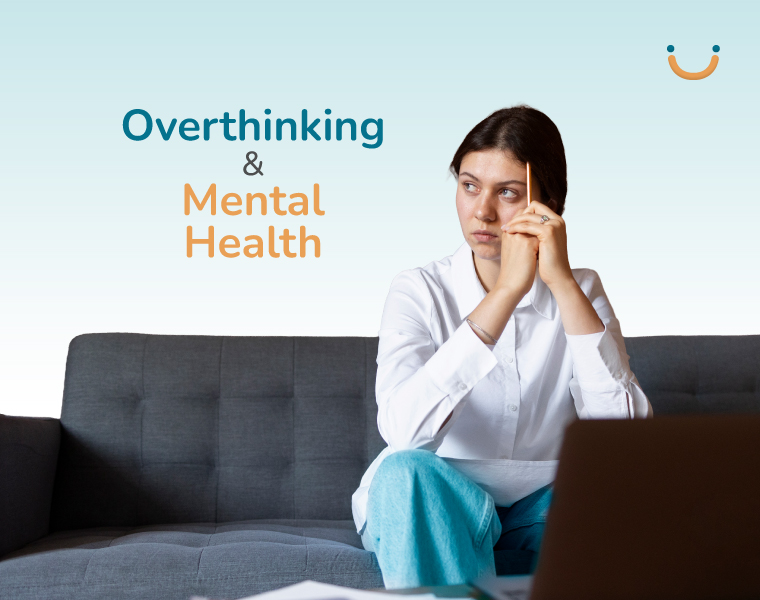
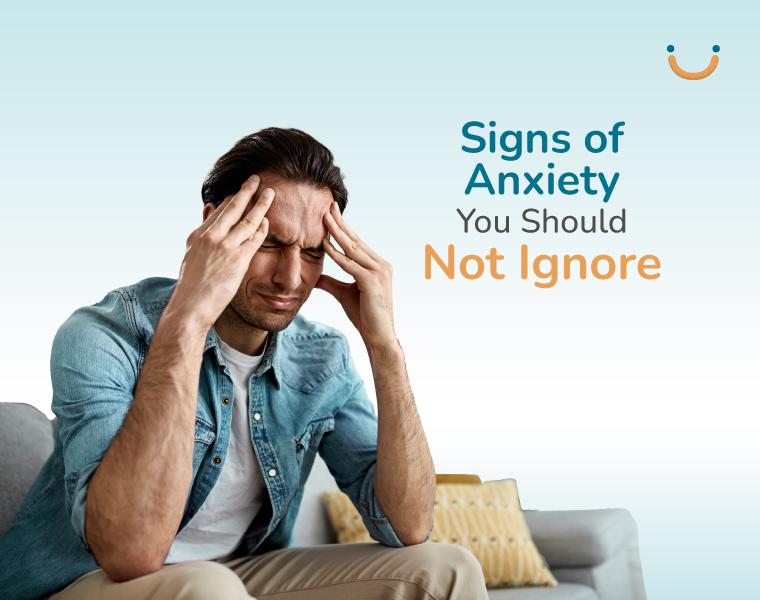
2. Anxiety and Overthinking
Waiting for likes, comments, or replies can create unnecessary tension.
3. Sleep Problems
Late-night scrolling disrupts sleep cycles, especially when phones stay near the bed.
4. Reduced Self-Esteem
Filters and edited photos often create unrealistic standards.
5. Feeling Disconnected Offline
Ironically, more time online can lead to fewer real conversations.
These aren’t rare experiences anymore. In fact, studies show that heavy social media use is linked with symptoms of Anxiety Disorder and Depression, especially among young adults.
Why Social Comparison Hits Harder Online
People usually compare themselves to others in real life too. That’s normal. But online comparison works differently.
On social media, we mostly see the highlight reel.
- Perfect holidays.
- Career wins.
- Fitness transformations.
- Happy couples.
But we rarely see the hard days. The stress. The quiet struggles.
So when someone scrolls through hundreds of these posts every day, the brain slowly begins believing that everyone else is happier, richer, more successful.
And that thought… it can quietly chip away at mental well-being.
Support for Healthier Digital Habits at Betterly Wellness
At Betterly Wellness, we often meet people who feel overwhelmed by social media but aren’t sure what to do about it.
It might start as stress, mood swings, or feeling constantly distracted. Sometimes parents come to us concerned about their teenagers’ screen habits. Other times, adults simply feel mentally exhausted after being online all day.
As a trusted Mental Health Clinic in Sharjah, we focus on helping people rebuild a balanced relationship with technology and daily life.
Some of the approaches we use include:
1. Cognitive Behavioral Therapy (CBT)
This helps identify negative thinking patterns caused by social comparison or online pressure.
2. Digital Boundary Planning
Simple strategies to limit screen time without feeling disconnected.
3. Stress and Anxiety Management
Learning how to calm the mind when online interactions start affecting mood.
4. Family Guidance Sessions
Helping parents understand healthy digital habits for children and teens.
Often, small adjustments make a huge difference. Not quitting social media completely – just using it in a way that protects mental well-being.
Practical Ways to Protect Your Mental Health Online
If social media sometimes leaves you feeling drained, a few small changes can help.
Set Screen Boundaries
Try keeping at least one hour before sleep completely phone-free.
Unfollow Accounts That Trigger Comparison
Your feed should feel supportive, not stressful.
Limit Passive Scrolling
Instead of endless scrolling, use social media intentionally – message a friend, learn something, then log out.
Schedule Offline Time
Spend more time doing things that don’t involve screens: walking, hobbies, real conversations.
Check Your Emotional Response
After using social media, ask yourself: Do I feel better or worse?
That simple question tells you a lot.
Final Thoughts
Social media isn’t going anywhere. It’s part of modern life, especially in a country like the UAE.
But awareness matters.
When people start noticing how online habits affect their mood, confidence, or sleep, they can make healthier choices. Sometimes it’s about reducing screen time. Sometimes it’s about talking to someone who understands.
Mental well-being doesn’t require dramatic changes. Often, it’s just small steps taken consistently.
And honestly… logging off once in a while can feel surprisingly peaceful.
Take the First Step Toward Better Mental Well-Being
Because mental health deserves attention – both online and offline.
Frequently Asked Questions