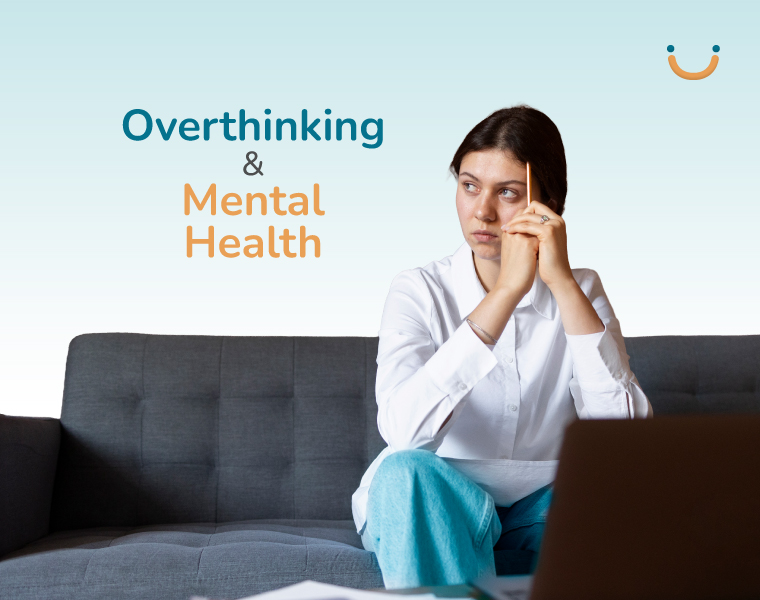
Overthinking and Mental Health: How a Mental Health Professional in Sharjah Can Help
Overthinking has a strange way of creeping into everyday life. One small worry suddenly becomes ten thoughts. Then those thoughts start circling in your head again and again. It can feel exhausting… almost like your brain refuses to switch off. In this blog, we’ll talk about why overthinking happens and how a Mental Health Professional in Sharjah can help people slow down these constant thought loops and regain mental balance.
- Overthinking and Mental Health: How a Mental Health Professional in Sharjah Can Help
- Why Overthinking Is More Common Than We Think
- Understanding Overthinking with a Mental Health Professional in Sharjah
- Common Signs That Overthinking Is Affecting Mental Health
- Practical Treatment Approaches That Can Help
- How We Support Individuals Experiencing Overthinking at Betterly Wellness
- Final Thoughts
- Talk to a Mental Health Professional in Sharjah
- FAQ
Why Overthinking Is More Common Than We Think
Most people assume overthinking only happens during stressful moments. But honestly, it often shows up during normal days too. A simple conversation replaying in your mind. Wondering if you said the wrong thing. Thinking about the future… then worrying about it again later.
It may start small. But when overthinking becomes a habit, it can slowly affect sleep, mood, work focus, and even relationships.
Many people ignore it at first. “It’s just stress,” they say. But when thoughts become constant, it might be time to talk to someone who understands how the mind works.
Understanding Overthinking with a Mental Health Professional in Sharjah
Overthinking usually comes from the brain trying to protect us. Our mind keeps analyzing situations to avoid mistakes or danger. Sometimes it goes too far.
A Mental Health Professional in Sharjah often sees people who describe the same pattern:
Replaying past conversations repeatedly
Imagining worst-case scenarios
Difficulty making simple decisions
Trouble falling asleep because the mind won’t slow down
When these patterns continue for weeks or months, they may also be connected to anxiety or stress-related conditions. According to the World Health Organization, long-term stress and anxiety can affect both emotional and physical wellbeing if left unaddressed.
That’s why early guidance matters.
Common Signs That Overthinking Is Affecting Mental Health
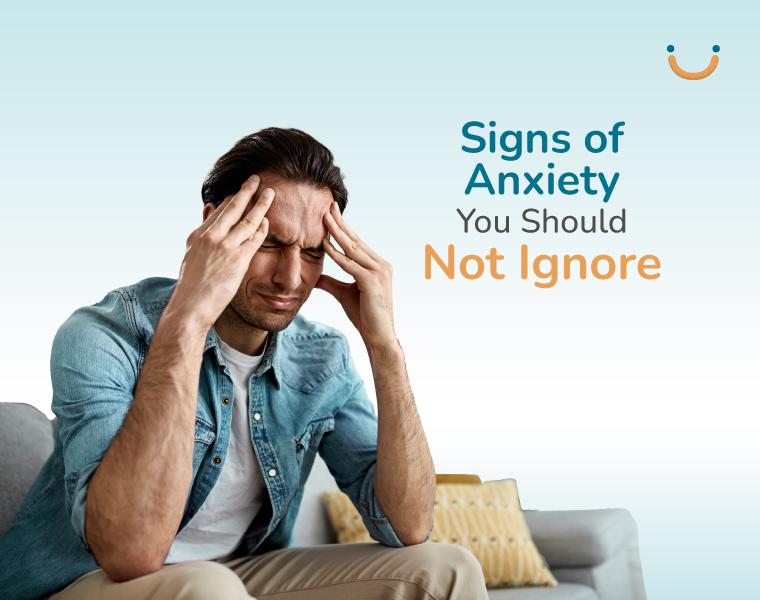
Not every busy mind means there is a serious issue. But certain signs show that overthinking may be affecting mental wellbeing.
Some of the most common symptoms include:
Constant mental replay
You keep going over the same situation again and again, trying to “figure it out.”
Sleep problems
Many people say their thoughts become loudest at night.
Decision fatigue
Even simple choices start feeling overwhelming.
Self-doubt
Overthinking can slowly make people question their own judgement.
Physical tension
Headaches, fatigue, or tight muscles sometimes appear when stress builds up.
These signs don’t mean something is “wrong” with you. They simply mean your mind is asking for support.
Practical Treatment Approaches That Can Help
When people finally speak with a professional, many feel surprised. They expected complicated solutions. But often, the process starts with small steps.
Some of the most helpful treatment methods include:
Cognitive Behavioral Therapy (CBT)
This approach helps people recognize negative thought patterns and gradually change them.
Mindfulness practices
Learning how to notice thoughts without reacting to them immediately can reduce mental noise.
Stress-management strategies
Simple daily routines, breathing techniques, and lifestyle adjustments can make a big difference.
Guided emotional conversations
Sometimes people just need a safe place to talk through their worries without judgement.
Research from the National Institute of Mental Health shows that therapy approaches such as CBT are widely used and have shown effectiveness in supporting individuals.
And honestly, some individuals may begin to feel relief within the initial sessions, though experiences can vary.
How We Support Individuals Experiencing Overthinking at Betterly Wellness
At Betterly Wellness, we often meet people who arrive feeling mentally drained. Their thoughts are racing. Sleep is poor. Work feels harder than it should.
Our role isn’t to “fix” someone overnight. Real change doesn’t work like that.
Instead, we start by listening.
We try to understand what is happening beneath the thoughts. Sometimes it’s work pressure. Sometimes family expectations. Sometimes old emotional experiences that never had space to be spoken about.
As a Mental Health Clinic in Sharjah, our approach focuses on helping individuals understand their own thought patterns. When people begin recognizing those patterns, something interesting happens… the thoughts slowly lose their control.
With the guidance of a Mental Health Professional in Sharjah, many individuals learn how to pause before reacting to their thoughts. That pause alone can reduce stress more than most people expect.
Final Thoughts
Overthinking doesn’t mean you are weak. In many ways, it means your mind is trying very hard to make sense of the world.
But when thoughts start running in circles all day, every day, it becomes exhausting.
The good news? It doesn’t have to stay that way.
With the right support, people can learn how to slow their thinking patterns, respond differently to stress, and feel calmer in daily life. Sometimes the first step is simply talking to someone who understands how the mind works.
Talk to a Mental Health Professional in Sharjah
If overthinking has been affecting your sleep, focus, or emotional balance, it may be helpful to speak with a Mental Health Professional in Sharjah. At Betterly Wellness, we provide supportive and confidential mental health care designed around each person’s needs.
Starting a conversation about your mental health might feel uncomfortable at first. That’s normal. But many people find that once they take that step, things begin to feel a little lighter.
And sometimes… that’s exactly where healing begins.
FAQ