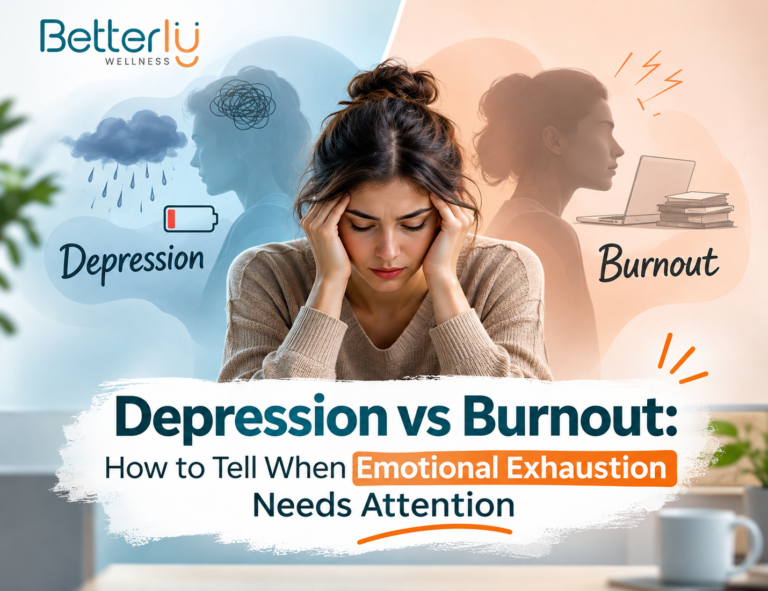

Depression vs Burnout: How to Tell the Difference When You Feel Emotionally Exhausted
There is a particular kind of tiredness that a good night’s sleep cannot fix.
You wake up feeling drained. Your morning coffee barely makes a difference. Tasks that once felt manageable now seem overwhelming, and even ordinary conversations require more energy than you have available.
At first, you blame your workload. Perhaps you have been working longer hours, missing breaks, or carrying more responsibilities than usual.
But what happens when the weekend arrives and you still feel miserable? You cancel plans, lose interest in activities you once enjoyed, and begin wondering why you no longer feel like yourself.
Is it burnout? Could it be depression? Or are you simply going through a difficult period?
Understanding depression vs burnout matters because the two experiences share several symptoms, yet they are not the same. Recognising the differences can help you understand when changes to your working environment may be useful and when professional mental health support deserves consideration.
Key Takeaways
- Burnout is associated with chronic workplace stress and typically involves exhaustion, increased distance or negativity towards work, and reduced professional effectiveness.
- Depression is a mental health condition that can affect mood, motivation, relationships, and activities across different areas of life.
- Emotional exhaustion is a central component of burnout but can also occur with depression. Both conditions can exist together, and a professional assessment can help distinguish them.
Why Do Depression and Burnout Feel So Similar?

Burnout and depression can both leave you feeling mentally drained, emotionally disconnected, and unable to concentrate.
Someone experiencing burnout might struggle to get through a normal working day. Someone living with depression may experience similar difficulties, but their symptoms can also affect relationships, hobbies, family responsibilities, and activities unrelated to work.
Much of the confusion comes from emotional exhaustion.
Emotional exhaustion is one of the defining experiences of burnout. It describes the feeling of having little emotional or mental energy left after prolonged demands and stress.
However, emotional exhaustion is not exclusive to burnout. People experiencing depression may also report profound tiredness, reduced motivation, and difficulty engaging with everyday life.
This overlap makes it difficult to distinguish the two experiences based on tiredness alone.
For example, someone who feels overwhelmed at work may begin withdrawing from colleagues and struggling to concentrate. Those same behaviours can appear in someone experiencing depression.
Neither situation can be understood through a single symptom.
Sleep problems, physical health conditions, medication effects, and other psychological concerns may also contribute to similar difficulties.
What matters is the broader pattern: when the symptoms began, where they occur, how long they have continued, and how significantly they affect daily functioning.
What Is Burnout, and Why Does It Happen?

Burnout develops in response to chronic workplace stress that has not been successfully managed.
The World Health Organization describes burnout as an occupational phenomenon rather than a medical condition.
It is characterised by three dimensions:
- Feelings of energy depletion or exhaustion
- Increased mental distance from work, or feelings of negativity or cynicism related to one’s job
- Reduced professional effectiveness
Imagine someone who once enjoyed their job but now dreads Monday mornings.
They struggle to concentrate during meetings, become frustrated with colleagues, and feel that their efforts never accomplish enough.
However, outside work, they may still enjoy spending time with family, meeting friends, or pursuing personal interests.
This pattern can be consistent with burnout, particularly when symptoms improve after meaningful relief from workplace stress.
Common Burnout Symptoms
Burnout symptoms often develop gradually rather than appearing overnight.
They may include:
- Persistent physical and emotional exhaustion
- Difficulty concentrating on professional responsibilities
- Irritability or frustration during working hours
- Reduced motivation and productivity
- Feeling disconnected from colleagues or work responsibilities
- Increasingly negative feelings about work
- Difficulty recovering after demanding workdays
Prolonged stress may also be accompanied by headaches, muscle tension, or disrupted sleep. These symptoms are not unique to burnout and may require medical assessment.
Burnout is not necessarily a reflection of someone’s ability to cope.
Excessive workloads, unclear expectations, limited workplace support, and insufficient opportunities for recovery can all contribute to chronic occupational stress.
Sometimes, addressing burnout requires meaningful changes to working conditions rather than expecting someone to manage increasing pressure through personal coping strategies alone.
What Is Depression, and How Is It Different?

Depression is a mental health condition that can affect how a person thinks, feels, behaves, and manages everyday responsibilities.
Unlike burnout, which is specifically associated with workplace stress, depression can influence several areas of life.
You may notice that activities you previously enjoyed no longer feel rewarding.
Meeting friends becomes difficult. Your appetite changes. Sleep no longer feels refreshing, or you struggle to fall asleep despite feeling exhausted.
Even when workplace pressure decreases, the emotional difficulties may continue.
Depression can involve persistent low mood, loss of interest or pleasure, hopelessness, and changes in energy, sleep, appetite, or concentration.
How Long Do Depression Symptoms Need to Last?
A depressive episode generally involves symptoms occurring most of the day, nearly every day, for at least two weeks.
However, the two-week period is only one part of the diagnostic criteria.
A diagnosis usually requires several symptoms occurring together, including at least one of the following:
- Persistent depressed mood
- A significant loss of interest or pleasure in usual activities
Other symptoms may include changes in sleep, appetite, energy, concentration, feelings of worthlessness, or thoughts about death.
Symptoms must also be considered in relation to their severity, impact on functioning, medical history, and possible alternative causes.
A qualified clinician determines whether the diagnostic criteria are met.
Importantly, you do not need to wait two weeks before seeking professional support. The duration criterion helps guide diagnosis, but it should never prevent someone from asking for help when symptoms are concerning.
Signs of Depression That Deserve Attention
Some common signs of depression include:
- Persistent sadness, emptiness, or low mood
- Losing interest in hobbies, relationships, or everyday activities
- Feelings of worthlessness, excessive guilt, or hopelessness
- Significant changes in sleep or appetite
- Difficulty concentrating or making decisions
- Persistent fatigue, even after adequate rest
- Withdrawing from social interactions
- Thoughts about death, self-harm, or suicide
Not everyone experiences depression in the same way.
Some people continue working, meeting responsibilities, and appearing socially engaged while privately struggling with significant emotional difficulties.
Important: Mental Health Support in the UAE
If you or someone you know is experiencing thoughts of self-harm or suicide, seek professional help promptly.
For mental health support: Contact the UAE’s 800-HOPE (800 4673) mental support line by phone or WhatsApp. This initiative was launched by the National Programme for Happiness and Wellbeing.
The Emirates Foundation’s published service information lists operating hours of 8 AM to 8 PM daily. Hours should be reconfirmed before publication, as other sources provide conflicting information.
For immediate danger: Call 999 for police emergency assistance or 998 for an ambulance in the UAE. Do not rely on a non-emergency support line when someone’s safety is at immediate risk.
Understanding the Key Differences
Although burnout and depression share certain symptoms, their typical patterns can differ.
Factor | Burnout | Depression |
Primary context | Chronic workplace stress | Can affect multiple areas of life |
Emotional experience | Exhaustion, cynicism, frustration with work | Persistent low mood, emptiness, or loss of pleasure |
Motivation | Often reduced around work responsibilities | May decline across work, relationships, and hobbies |
Response to time away | May improve when workplace stress is reduced | May continue despite rest or time away |
Classification | Occupational phenomenon | Recognised mental health condition |
Support | Workplace adjustments, stress management, professional support | Clinical assessment and appropriate treatment |
These differences can help explain the conditions, but they are not a self-diagnostic checklist.
A person experiencing burnout may also have depression. Similarly, someone with depression may notice their symptoms becoming particularly difficult to manage at work.
The presence of one does not rule out the other.
Emotional Exhaustion: The Symptom Both Conditions Share
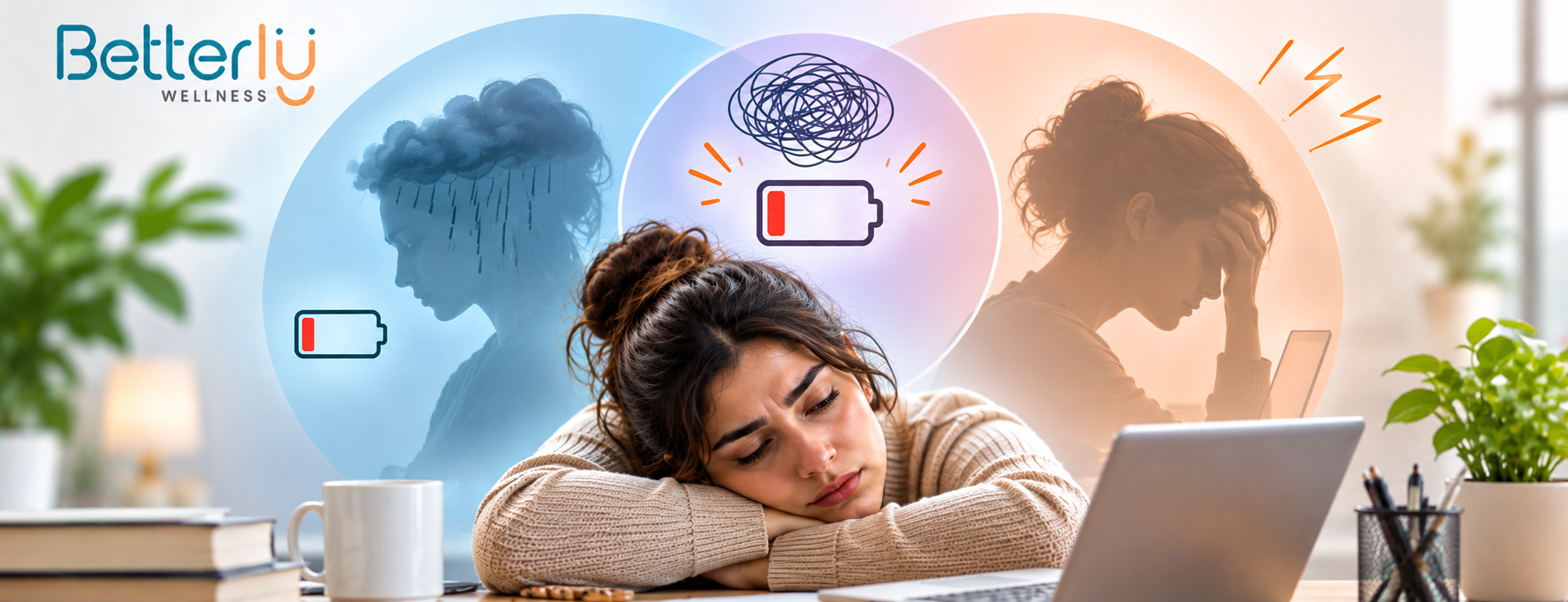
Emotional exhaustion is often the reason people struggle to distinguish burnout from depression.
It can leave someone feeling unable to respond to ordinary demands, even when those demands previously seemed manageable.
For someone experiencing burnout, this exhaustion is closely connected to prolonged occupational stress.
A teacher might feel emotionally drained after months of managing demanding workloads. A business owner may find it difficult to switch off from professional responsibilities. A healthcare professional might begin feeling detached from work that previously carried personal meaning.
These experiences can reflect the exhaustion associated with burnout.
However, emotional exhaustion can also appear in depression.
Someone experiencing depression may struggle to engage with family, maintain friendships, complete household responsibilities, or enjoy activities unrelated to their job.
The exhaustion may be accompanied by persistent sadness, hopelessness, or loss of pleasure.
This distinction is important because the same feeling of being emotionally drained can arise from different circumstances.
Emotional exhaustion alone does not establish a diagnosis.
If it continues, becomes more severe, or begins affecting several areas of life, speaking with a qualified mental health professional may help identify what is contributing to it.
Can Burnout and Depression Happen Together?
Yes. Burnout and depression can occur at the same time.
Research has identified associations between burnout symptoms and depressive symptoms, although the relationship is complex.
Prolonged workplace stress may contribute to mental health difficulties, particularly when combined with inadequate sleep, limited social support, or other personal pressures.
Consider someone who has been working long hours for several months.
Initially, their frustration appears mainly during working hours. They feel exhausted after meetings and begin dreading professional responsibilities.
Over time, however, they also stop enjoying weekends, withdraw from friends, and experience persistent sadness.
The difficulties are no longer confined to work.
This change deserves attention, but it does not automatically mean that burnout has developed into depression.
A qualified clinician can assess whether depression, burnout, another health condition, or a combination of factors may be contributing to the symptoms.
Practical Ways to Manage Burnout and Support Emotional Wellbeing

If you have been experiencing persistent stress or exhaustion, certain changes may help you manage your wellbeing.
These strategies are supportive measures rather than substitutes for professional assessment or treatment when needed.
1. Identify What Is Contributing to Your Stress
Workplace pressure does not always come from having too many tasks.
Unclear expectations, difficult working relationships, insufficient support, or feeling unable to influence decisions can also contribute.
Understanding which demands are affecting you may help identify realistic changes.
For some people, this means reviewing workloads. For others, it involves discussing responsibilities with a manager or seeking additional workplace support.
2. Prioritise Rest and Sleep
Regular breaks, consistent sleep habits, and opportunities to disconnect from work can support emotional wellbeing.
However, persistent sleep difficulties should not automatically be attributed to stress.
If you experience ongoing insomnia, disrupted sleep, or excessive daytime tiredness, a clinical assessment may help identify possible contributing factors.
Betterly Wellness also provides specialised support for sleep-related concerns.
Rest can support recovery from stress, but it does not replace appropriate treatment for depression.
3. Speak With Someone You Trust
Discussing emotional difficulties with a trusted friend, family member, or colleague may help reduce isolation and make it easier to seek support.
You do not need to understand exactly what is happening before starting that conversation.
Sometimes, simply explaining that you have been struggling is a useful first step.
4. Reconsider Workplace Boundaries
If professional responsibilities are contributing to exhaustion, consider whether changes to working hours, workload, communication expectations, or available support are possible.
Meaningful recovery from burnout may require changes within the workplace itself.
Personal coping techniques can help, but they should not be treated as a replacement for addressing harmful or unsustainable working conditions.
5. Develop Sustainable Coping Strategies
Stress management may involve regular physical activity, maintaining social connections, practising relaxation techniques, and making time for activities outside work.
The most useful approach depends on your circumstances and the difficulties you are experiencing.
Structured wellness and preventive programmes may also help people explore practical ways to manage stress and support emotional wellbeing.
If symptoms persist, worsen, or interfere with daily functioning, professional assessment is important.
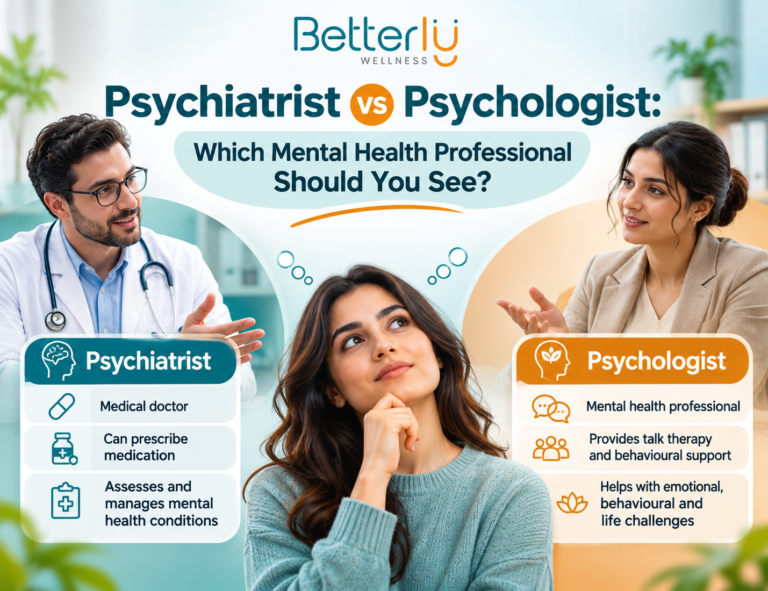
Psychiatrist or Psychologist: Who Should You See?

Many people experiencing burnout or emotional exhaustion are unsure which mental health professional to approach.
The answer depends on the symptoms, their severity, and the type of support needed.
When a Psychologist or Counsellor May Help
A psychologist or appropriately qualified counsellor can be a useful starting point when someone is struggling with workplace stress, emotional exhaustion, difficult emotions, or relationship concerns.
Psychological support may help people understand patterns of stress, develop coping strategies, address unhelpful thought patterns, and manage emotional difficulties.
A clinical psychologist can also assess symptoms of depression and provide evidence-based psychological treatment within their professional scope.
Approaches may include cognitive behavioural therapy (CBT), acceptance and commitment therapy (ACT), and other appropriate therapeutic methods.
At Betterly Wellness, patients can explore counselling and psychotherapy services in Sharjah for concerns involving stress, low mood, emotional difficulties, and related challenges.
When a Psychiatrist May Be Appropriate
A psychiatrist is a medical doctor who specialises in assessing, diagnosing, and treating mental health conditions.
A psychiatric consultation may be particularly appropriate when symptoms are severe, persistent, complex, or significantly affecting everyday functioning.
Psychiatrists can assess possible medical and psychological contributors, consider medication when clinically indicated, and coordinate treatment with other mental health professionals.
If you are experiencing persistent low mood, significant changes in sleep or appetite, or difficulties that are affecting several areas of life, you can find the right psychiatrist in Sharjah through Betterly Wellness.
Seeing a psychiatrist does not automatically mean you will be prescribed medication.
Treatment recommendations depend on a clinical assessment, your medical history, symptoms, preferences, and individual needs.
Can You See Both?
Yes.
Psychiatrists and psychologists often work together when someone would benefit from both medical assessment and psychological therapy.
For example, a person experiencing depression alongside significant workplace stress may benefit from psychotherapy, workplace adjustments, and psychiatric care when appropriate.
You do not need to decide on a diagnosis before seeking an initial consultation.
Mental Health Support at Betterly Wellness in Sharjah
When you are already emotionally exhausted, arranging a mental health appointment can feel like another responsibility.
Knowing who you will speak with and what to expect may make the process easier.
Betterly Wellness is a mental health and wellness clinic located in Muwaileh Commercial, Sharjah. Its clinical services include psychiatry, clinical psychology, counselling, psychotherapy, and psychological assessment.
Who Is on the Clinical Team?
The clinic’s mental health professionals include:
- Dr. Zoheb Raj, Specialist Psychiatrist: Provides psychiatric assessment and management for concerns including mood disorders, anxiety, sleep difficulties, and stress-related conditions.
- Afsal Moosa K K, Lead Clinical Psychologist: Works in psychological assessment, psychotherapy, and related clinical services.
- Nimisha Sureshbabu, Clinical Psychologist: Provides psychological assessment and therapy for concerns including depression, anxiety, and emotional difficulties.
The clinic’s multidisciplinary approach allows patients to access psychological or psychiatric care depending on their clinical needs.
What Can You Expect From an Appointment?
An initial consultation generally involves discussing your symptoms, relevant history, everyday functioning, and the concerns that prompted you to seek support.
Depending on the assessment, your clinician may discuss psychotherapy, practical coping strategies, further evaluation, or psychiatric treatment where appropriate.
Appointments are available in-clinic, with online psychology sessions offered for eligible services, subject to clinical suitability and availability.
You can also book directly without a referral.
This means someone experiencing persistent burnout symptoms, emotional exhaustion, or possible signs of depression can contact the clinic without first obtaining a diagnosis.
Understanding Your Symptoms Is a Good Place to Start

Feeling exhausted after a demanding week is common. Feeling persistently disconnected, overwhelmed, or unable to enjoy everyday life deserves closer attention.
Burnout and depression can share several symptoms, but they are not interchangeable.
Burnout is associated with chronic workplace stress, while depression can affect mood and functioning across different areas of life.
Emotional exhaustion may occur in both, which is why identifying the cause is not always straightforward.
You do not need to determine whether you have depression or burnout before asking for support.
If your symptoms are affecting your work, relationships, sleep, or daily responsibilities, a qualified mental health professional can help you understand what may be contributing and discuss suitable next steps.
Concerned about persistent emotional exhaustion or low mood?
Contact Betterly Wellness to arrange a psychology or psychiatry consultation in Sharjah and discuss the support appropriate for your needs.
Frequently Asked Questions
Burnout is associated with chronic workplace stress, while depression can affect several areas of life. Both may involve emotional exhaustion, poor concentration, and reduced motivation. Persistent low mood, loss of interest, or symptoms that continue outside work may warrant assessment for depression. A qualified clinician can help distinguish the conditions.
Burnout and depression are associated, and prolonged workplace stress may contribute to mental health difficulties. However, burnout does not inevitably cause depression. Both can occur together, and persistent symptoms should be assessed rather than assuming one condition has caused the other.
Emotional exhaustion is a central component of burnout, but it can also occur with depression. In burnout, exhaustion is associated with chronic workplace stress. In depression, fatigue and emotional difficulties may affect several areas of life. Emotional exhaustion alone cannot determine which condition someone is experiencing.
Time away from workplace stress may help someone experiencing burnout, particularly when combined with meaningful improvements to working conditions. Depression may continue despite rest and may require psychotherapy, medication, or other appropriate treatment. Persistent symptoms should be discussed with a qualified professional.
Consider seeking support when low mood, emotional exhaustion, sleep disturbances, or other symptoms persist, worsen, or interfere with daily life. You do not need to wait a specific number of weeks to ask for help. However, diagnosing depression involves specific clinical criteria, including symptom patterns, duration, and professional assessment. A psychologist, counsellor, or psychiatrist may be an appropriate starting point depending on your needs.
Connect with Us