
Mental Health Clinic in UAE: Services, Treatments & Care Models
When someone starts looking for a Mental Health Clinic in UAE, it’s usually not out of curiosity. It’s personal. It’s about stress that won’t leave, emotions that feel heavy, or a family situation that’s slowly breaking down. This blog talks honestly about what mental health clinics in the UAE really offer – services, treatment styles, and care models – without dressing it up or making it sound perfect.
Table of Content
- Understanding Mental Health Care in the UAE
- Mental Health Clinic in UAE: What Care Actually Looks Like
- Core Services You’ll Find in Modern Clinics
- Treatment Styles That Feel Human, Not Forced
- How Care Models Are Shaped Around Real Life
- What People Usually Look for in a Mental Health Clinic
- Privacy, Culture, and Feeling Safe Enough to Speak
- Why Betterly Wellness Feels Different
- Final Thoughts on Choosing the Right Support
- Talk to Us – Your Next Step Matters
- Frequently Asked Questions About Mental Health Care in the UAE
Understanding Mental Health Care in the UAE
Mental health care in the UAE has changed a lot over the years. Earlier, people avoided talking about it. Now, more individuals and families are reaching out, asking questions, and seeking support – and that’s a good thing. Clinics today focus not just on symptoms, but on the full picture of your life: your work stress, family pressure, emotional history, and even those quiet worries you don’t say out loud.
The care here is built around privacy, cultural awareness, and trust. And honestly, that trust matters more than anything.
Mental Health Clinic in UAE: What Care Actually Looks Like
When people hear “mental health clinic,” they often imagine cold rooms and clinical conversations. That’s not how it should feel. Real care is warm. It’s listening more than talking. It’s asking the right questions and sometimes sitting in silence when words don’t come.
In a mental health clinic setting, care usually begins with understanding – not labels. You talk. We listen. Slowly, patterns appear. Stress, anxiety, mood shifts, relationship strain. Nothing dramatic. Just real human stuff.
This approach works because it respects where you are, not where someone thinks you should be.
Core Services You’ll Find in Modern Clinics
Most mental health clinics across the UAE offer support for both emotional and psychological concerns. That includes individual therapy for anxiety, depression, burnout, trauma, and life transitions. Family and couple sessions are also common, especially when communication breaks down or trust feels shaky.
Child and adolescent support matters too. Kids don’t always know how to explain what they’re feeling. Therapy gives them space to express without fear or pressure.
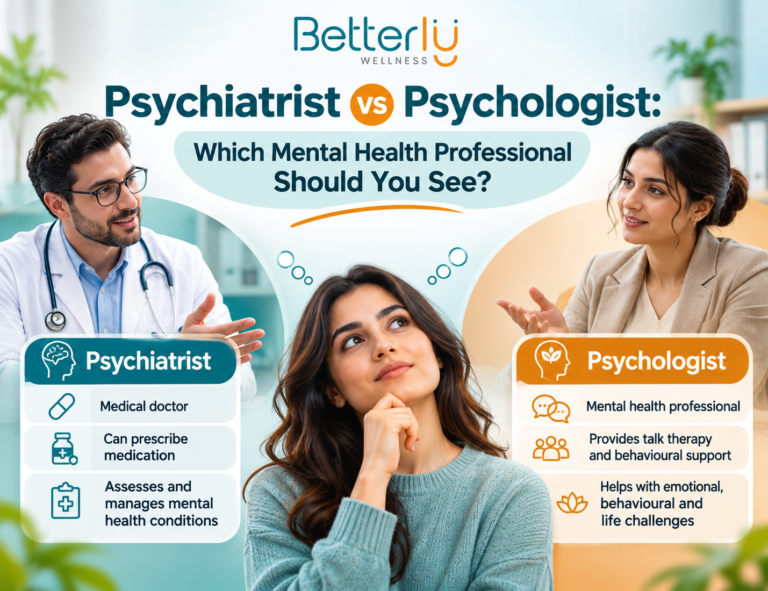
Psychiatric care is usually part of the setup as well. Medication, when needed, is approached carefully – with regular reviews and honest conversations. No rushing. No pushing.
Treatment Styles That Feel Human, Not Forced
There’s no single “right” method for healing. Some people respond well to structured talk therapy. Others need emotional support mixed with practical habits. Good clinics blend approaches instead of sticking to one rigid method.
Sessions may focus on thoughts, emotions, behavior patterns, or relationships. Sometimes it’s about building coping skills. Other times, it’s about understanding past experiences that still show up in daily life. Progress doesn’t move in straight lines – and that’s normal.
How Care Models Are Shaped Around Real Life
One thing people don’t talk about enough is how mental health care fits into daily life. Work hours, family duties, social pressure – it all matters. Good care models don’t ignore this. They work around it.
Some people need weekly sessions. Others do better with spaced-out check-ins. A few need a mix of therapy and medical support, especially during tougher phases. There’s no shame in that. Healing isn’t a straight road. It curves, pauses, and sometimes circles back.
Care models in UAE clinics often combine talk therapy, emotional support, and practical guidance. Not lectures. Not rigid plans. Just steady help that adjusts as life changes. That flexibility is what keeps people coming back – not obligation, but trust.
What People Usually Look for in a Mental Health Clinic
When someone starts searching for help, they’re rarely looking for medical terms or fancy promises. They’re looking for comfort, safety, and clarity. Over time, a few needs show up again and again:
- A space where conversations stay private
- Therapists who listen without interrupting or judging
- Clear explanations instead of confusing terms
- Treatment plans that change as life changes
- Support for individuals, couples, families, and children
- Honest guidance on therapy and medication when required
These small things decide whether someone continues care or quietly disappears after one session.
Privacy, Culture, and Feeling Safe Enough to Speak
Opening up doesn’t come easily for most people. It takes time, trust, and a sense of safety. That’s why privacy and cultural understanding matter so much in mental health care here.
Clinics follow strict confidentiality rules, and that reassurance helps people relax. Words come out more freely when you know they stay in the room. Cultural sensitivity also plays a quiet but powerful role. Family values, belief systems, and social expectations shape emotions – and good therapists pay attention to that.
When care respects both privacy and background, conversations feel easier. You don’t have to explain everything from the beginning. You can just be yourself. And that’s where real change starts.
Why Betterly Wellness Feels Different
At Betterly Wellness, we walk alongside individuals, couples, and families through moments that aren’t easy. We don’t rush sessions. We don’t treat people like cases. We believe care works best when professional experience meets genuine empathy.
Our services cover therapy, psychiatric care, family and couple support, and child mental health – always grounded in understanding who you are and what you’re dealing with right now. Many people come to us after feeling unheard elsewhere. We take that seriously.
For those searching for a Mental Health Clinic In Sharjah, Betterly Wellness stands as a space where conversations feel safe, and care feels personal.
Final Thoughts on Choosing the Right Support
Choosing a mental health clinic isn’t about finding the fanciest website or the longest service list. It’s about how you feel after the first session. Do you feel lighter? Do you feel heard? Do you feel understood?
Mental health care isn’t quick. It takes patience. Some days feel better, some don’t. That’s part of the process. What matters is having the right support while you figure things out – step by step.
If you’d like to understand mental health topics in a broader context, the World Health Organization’s mental health resources offer helpful global insights.
Talk to Us - Your Next Step Matters
If you’re thinking about reaching out, maybe this is your sign. A Mental Health Clinic in UAE should feel like a place where you don’t have to pretend you’re okay. At Betterly Wellness, we’re here to talk, listen, and walk with you – no pressure, no judgment.
Reach out when you’re ready. We’ll take it from there.
Frequently Asked Questions About Mental Health Care in the UAE
People usually consider visiting a mental health clinic in UAE when emotional stress, anxiety, mood changes, or relationship issues start affecting work, sleep, or daily routines. Even if things don’t feel “serious,” early support can help prevent issues from growing quietly over time.
Yes. Many people seek long-term support from mental health clinics in the UAE for ongoing concerns like anxiety, mood disorders, or family-related stress. Care models often include regular sessions, progress reviews, and flexible adjustments as life situations change.
A mental health clinic in UAE usually begins with understanding personal history, current challenges, and goals. Treatment plans may include therapy, emotional support strategies, or psychiatric input if needed. Plans are reviewed regularly instead of staying fixed.
Very normal. Many people feel nervous or doubtful before the first session. A good mental health clinic focuses on making the first visit comfortable, pressure-free, and conversational, helping people ease into care at their own pace.
Yes. Work pressure, burnout, and emotional fatigue are common reasons people visit mental health clinics in the UAE. Therapy sessions often focus on coping skills, emotional balance, boundaries, and clarity around work-life challenges.
Choosing the right mental health clinic in UAE comes down to comfort, trust, and communication. Feeling listened to, respected, and supported during early sessions is usually a strong sign that the clinic is the right fit.
Connect with Us