Betterly

Category: Blog

Your blog category

  • Understanding Mental Health in the UAE: How Therapy Can Make a Difference

    Understanding Mental Health in the UAE: How Therapy Can Make a Difference

    Understanding Mental Health in the UAE: How Therapy Can Make a Difference

    Managing our well-being is a big part of life. In this post, we want to talk about Mental Health in UAE. We will look closely at how therapy can provide real, tangible support for people carrying daily stress right now. Finding a path toward balance is something we all face, and understanding the resources available is a great place to begin.

    Table of Contents

    1. Why Seeking Support Matters Today
    2. The Real Impact on Mental Health in the UAE
    3. Common Symptoms You Might Notice
    4. Effective Treatment Methods We Use
    5. Finding Support at Betterly Wellness
    6. Final Thoughts
    7. Take the Next Step for Your Mental Health
    8. FAQ

    Why Seeking Support Matters Today

    Everyday life brings stress, and sometimes that stress builds up quietly over months and years. It is common to observe who try to handle everything on their own for extended periods. It is a very normal human reaction to try and manage independently. We often think we should just be able to handle it all by ourselves without complaining. But carrying that heavy emotional weight alone is hard, and honestly, professional support can ease this burden. Reaching out for professional support is a strong first step toward feeling better and making sense of your complicated thoughts. Ignoring a problem rarely makes it go away. In fact, it usually makes things worse. Seeking help is simply the logical thing to do when your mental fatigue and emotional overload.

    The Real Impact on Child Mental Health in the UAE

    Living and working here brings some very unique challenges. The fast pace of life can contribute to increased stress levels and impact mental well-being. People often feel isolated, even when they are surrounded by thousands of others in busy, loud cities. Expatriates might miss home and their old support networks. Locals face the intense pressures of modern life while trying to balance traditional family values. It is a complicated mix of high expectations, demanding jobs, and busy social schedules.

    This kind of environment can really take a toll on a person. We firmly believe that acknowledging this reality is incredibly important. It is perfectly okay to admit that things are stressful. Therapy offers a calm, safe room to process these overwhelming feelings. Sometimes, you just need a quiet place to sit down and untangle your thoughts. According to the World Health Organization, well-being is a basic human right. We cannot ignore our minds while we focus only on our physical health or our careers. We have to treat the mind with respect.

    Common Symptoms You Might Notice

    When should someone actually look for help? The signs are not always obvious right away. Sometimes they sneak up on you slowly over months. You might feel constantly tired, even after getting a full night of sleep. Sleep problems are actually very common and often the first warning sign that something is wrong. You might have trouble falling asleep because your mind will not stop racing. Or, you might wake up way too early and not be able to get back to sleep at all.

    Another common sign is feeling easily irritated by very small things. Things that used to be totally fine suddenly make you very angry or frustrated. You might snap at your loved ones without meaning to. You might also lose interest in hobbies you usually love doing.

    Anxiety can show up in very physical ways, too. You might feel a racing heart, a tight chest, or you might find yourself constantly worrying about what will happen tomorrow. Feeling deeply sad, hopeless, or empty for weeks at a time is a strong indicator. People also report physical symptoms like unexplained headaches or stomach issues when they are struggling emotionally. If you notice these persistent changes in yourself, it means your mind and body are clearly asking for support. It is a signal, not a weakness.

    Recognizing Symptoms and Finding the Right Approach

    Sometimes it is hard to know exactly what kind of support you need. We often see people who know they feel bad, but they do not know what to do about it. The table below outlines some of the most frequent issues we see and how different therapeutic methods can actually help.

    Common Sign or Symptom How Therapy Can Help
    Constant worry or racing thoughts Using Cognitive Behavioral Therapy (CBT) to identify and change unhelpful thought patterns step by step.
    Feeling deeply sad or empty for weeks General talk therapy gives you a safe, quiet room to process heavy emotions without any judgment.
    Sleep problems or physical exhaustion Building practical, healthy routines and learning direct stress management skills to calm the nervous system.
    Sudden irritability or frequent anger Learning emotion regulation techniques and clearly identifying what triggers these strong reactions.
    Frequent arguments at home Family therapy to help everyone communicate better and set healthy boundaries together.
    Effective Treatment Methods We Use
    mental health care centre in uae

    We use proven approaches to help you feel better. One common method is Cognitive Behavioral Therapy, or CBT for short. CBT helps identify negative thought patterns that keep you feeling stuck. Once we can clearly see those patterns together, we can work step by step to change them. This practical approach can help reduce strong feelings of anxiety and depression over time.

    We also use general talk therapy. This simply gives you a structured, dedicated time just to speak and be heard. You are heard completely without any judgment. Sometimes, saying things out loud to a neutral professional changes everything. Family therapy is another vital option we provide. Sometimes the whole family system needs support to heal, especially when there are communication breakdowns at home.

    We want to be clear: treatment is not a quick fix. We never promise a magic cure. Healing takes real time. Healing takes real effort. But these methods can absolutely help you build strong coping skills, understand yourself better, and make your daily life much more manageable.

    Finding Support at Betterly Wellness

    Finding the right fit with a therapist is so important. As a dedicated Mental Health Clinic in Sharjah, our focus is entirely on your unique situation. We bring both genuine empathy and professional training to every single session. We sit down with you, listen closely, and figure out the best next steps together. You are never just a file or a number to us. We truly care about your progress and we want to see you feel better. We work directly with individuals and families to find strategies that actually work for them in their real lives.

    Final Thoughts

    Taking care of your mind is just as important as taking care of your physical body. It requires regular attention and, very often, professional guidance.Clinically, many individuals present with deeply meaningful changes every single day just by making the decision to start therapy. It is not always an easy process. There will be hard days and difficult conversations. But it is deeply worthwhile. Remember that reaching out is a clear sign of strength and self-awareness. You owe it to yourself to feel better.

    Take the Next Step for Your Mental Health

    If you are ready to talk, we are here to listen. Improving your Mental Health starts with one simple, honest conversation. Reach out to our team today to schedule an appointment. Schedule a consultation to explore evidence-based support tailored to your needs.

    FAQ

    Your first session is mostly about getting to know each other. We will ask questions about your history, what brings you to the clinic, and what your goals are. It is a relaxed conversation to help us understand how we can best support you moving forward.

    *This content is for informational purposes only and does not substitute professional medical advice, diagnosis, or treatment. Please consult a qualified mental health professional for personalized care.*

  • Speech Delay in Children: When Should Parents See a Child Therapist in UAE

    Speech Delay in Children: When Should Parents See a Child Therapist in UAE

    Speech Delay in Children: When Should Parents See a Child Therapist in UAE

    As parents, waiting for those first real words is incredibly exciting. But sometimes, the wait takes a little longer than expected. It is honestly tough when your friend’s kids are talking in full sentences and your little one is still quiet. In this guide, we are talking about speech delays, what to watch out for, and exactly when you should consider reaching out to a Child Therapist in UAE to give your little one the support they need to finally find their voice.

    Table of Contents

    1. Introduction
    2. The Difference a Good Child Therapist in UAE Can Make
    3. Symptoms and Signs We Tell Parents to Watch For
    4. Treatment Methods We Use to Help Kids Speak Up
    5. Betterly Wellness: Supporting Your Child’s Voice
    6. Final Thoughts
    7. Ready to See a Child Therapist in UAE?
    8. Frequently Asked Questions (FAQ)

    Introduction

    Hearing your baby babble is one of the best sounds in the world. But it can be pretty scary when they are not hitting those typical talking milestones. We sit with worried parents every single week who just want to know if their child is on the right track. It is completely normal to worry. Every kid grows at their own pace. Some walk early. Some talk early. Some take their time. But recognizing when a slight pause becomes an actual delay is important for their future. Clinically, we frequently observe – A child knows what they want to say, but the words just won’t come out right. This can create a challenging communication cycle within the family. A ‘wait and monitor ’approach may delay early intervention in some cases. Sitting around and waiting just adds to a parent’s stress. If you feel like your child is struggling, paying attention to those early warning signs is the kindest thing you can do for them.

    The Difference a Good Child Therapist in UAE Can Make

    It is really hard to know what to do next when you feel stuck. Finding the right help matters so much. A good professional looks at the whole picture, not just the missing words. They try to figure out the “why” behind the delay. Maybe it is a small hearing issue from old ear infections, or maybe it is something tied to how their brain processes sounds. We know that early help changes everything. It gives kids the tools to express their feelings, ask for a snack, and make friends without feeling left out. When parents bring their kids to a Child Therapist in UAE, they are often surprised by how fun the sessions are. It doesn’t look like hard medical work. Therapy is play-based, but guided by structured clinical goals to support language development. But behind that play, there is a very clear plan to get those words flowing. According to the CDC’s child milestone guidelines, acting early on developmental delays can make a massive difference in a child’s progress. They just need the right gentle push.

    Symptoms and Signs We Tell Parents to Watch For

    So, what should you actually be looking out for? It is not just about having a quiet house. There are a few clear signs that show us a child might be struggling a bit with their speech and language. Sometimes it is about how they understand you, and other times it is about how they speak to you.

    Here are the common symptoms we see at the clinic:

    • Quiet babies: Not babbling or making a lot of vowel sounds by 9 to 10 months.

    • Missing the first words: No clear first words (like mama or up) by 15 months.

    • Ignoring directions: Not looking when you call their name or struggling to follow simple instructions by 18 months.

    • Losing words: This is a big one. If they used to say a few words and suddenly stop using them, that is a clear red flag.

    • Action over words: Pulling on your clothes or pointing to get what they want instead of trying to vocalize it, especially after age two.

    • Hard to understand: If people outside your family cannot understand what your three-year-old is saying most of the time.

    Sometimes, these speech issues overlap with other behavioral signs or emotional struggles. If that happens, consulting a Child Psychiatrist in Sharjah can help rule out any deeper developmental conditions and give you a clearer picture of your child’s overall mental health.

    Treatment Methods We Use to Help Kids Speak Up

    Treatment is not scary at all. We focus on making it fun so kids don’t even realize they are doing the hard work. They just think they are having a great time playing games!

    speach delay in uae

    Here is how we typically approach it:

    Play-Based Therapy: We get down on the floor with them. We use blocks, cars, and dolls to encourage them to make specific sounds naturally during playtime.

    Parent Coaching: We don’t just work with the child; we work with you. We teach parents how to ask questions and prompt their kids at home without causing frustration.

    Articulation Exercises: If the child is talking but the sounds are messy, we do funny mouth exercises. Making silly faces in the mirror helps them learn where to put their tongue and lips.

    Language Rich Environments: We show families how to narrate their day. Just talking out loud while cooking or folding laundry can soak into a child’s brain like a sponge.

    Betterly Wellness: Supporting Your Child’s Voice

    At Betterly Wellness, our licensed specialists in Sharjah provide evidence-based assessment and therapy tailored to each child’s developmental needs

    We don’t rush labels. We start with understanding your child-how they communicate, feel, and connect. Our approach is calm, structured, and built around your child’s pace.

    Whether it’s speech therapy, behavioral support, or guidance for parents, we focus on what actually helps – not just what sounds clinical. And yes, we involve you in every step, because progress at home matters just as much as in sessions.

    Our team takes the time to figure out exactly where your child is on their journey. We build a care plan that fits them perfectly, respecting their personality and your family’s daily routine.

    Final Thoughts

    Watching your child struggle to speak is hard, but you really do not have to carry that heavy worry alone. You are doing a good job just by looking for answers. Trust your instincts as a parent. If you feel like something is slightly off with your child’s communication, it is always okay to ask for help. Getting support early is the best thing you can do for your child’s future confidence. They have a brilliant little voice inside them, and together, we can help them find their voice with confidence and clarity..

    Ready to See a Child Therapist in UAE?

    We are here to listen and help your family move forward. If you have questions, doubts, or just want to chat about what you are noticing at home, please reach out to us. Booking a simple assessment with a Child Therapist in UAE is your first step toward getting the answers and the right, compassionate care your child deserves.

    FAQ

    Some kids do catch up on their own, yes. But waiting is a gamble. Getting a professional opinion early gives you peace of mind and saves your child a lot of unnecessary frustration.

  • Overthinking and Mental Health: How a Mental Health Professional in Sharjah Can Help

    Overthinking and Mental Health: How a Mental Health Professional in Sharjah Can Help

    Overthinking and Mental Health: How a Mental Health Professional in Sharjah Can Help

    Overthinking has a strange way of creeping into everyday life. One small worry suddenly becomes ten thoughts. Then those thoughts start circling in your head again and again. It can feel exhausting… almost like your brain refuses to switch off. In this blog, we’ll talk about why overthinking happens and how a Mental Health Professional in Sharjah can help people slow down these constant thought loops and regain mental balance.

    Table of Contents

    1. Overthinking and Mental Health: How a Mental Health Professional in Sharjah Can Help
    2. Why Overthinking Is More Common Than We Think
    3. Understanding Overthinking with a Mental Health Professional in Sharjah
    4. Common Signs That Overthinking Is Affecting Mental Health
    5. Practical Treatment Approaches That Can Help
    6. How We Support Individuals Experiencing Overthinking at Betterly Wellness
    7. Final Thoughts
    8. Talk to a Mental Health Professional in Sharjah
    9. FAQ

    Why Overthinking Is More Common Than We Think

    Most people assume overthinking only happens during stressful moments. But honestly, it often shows up during normal days too. A simple conversation replaying in your mind. Wondering if you said the wrong thing. Thinking about the future… then worrying about it again later.

    It may start small. But when overthinking becomes a habit, it can slowly affect sleep, mood, work focus, and even relationships.

    Many people ignore it at first. “It’s just stress,” they say. But when thoughts become constant, it might be time to talk to someone who understands how the mind works.

    Understanding Overthinking with a Mental Health Professional in Sharjah

    Overthinking usually comes from the brain trying to protect us. Our mind keeps analyzing situations to avoid mistakes or danger. Sometimes it goes too far.

    A Mental Health Professional in Sharjah often sees people who describe the same pattern:

    • Replaying past conversations repeatedly

    • Imagining worst-case scenarios

    • Difficulty making simple decisions

    • Trouble falling asleep because the mind won’t slow down

    When these patterns continue for weeks or months, they may also be connected to anxiety or stress-related conditions. According to the World Health Organization, long-term stress and anxiety can affect both emotional and physical wellbeing if left unaddressed.

    That’s why early guidance matters.

    Common Signs That Overthinking Is Affecting Mental Health

    Not every busy mind means there is a serious issue. But certain signs show that overthinking may be affecting mental wellbeing.

    Some of the most common symptoms include:

    Constant mental replay
    You keep going over the same situation again and again, trying to “figure it out.”

    Sleep problems
    Many people say their thoughts become loudest at night.

    Decision fatigue
    Even simple choices start feeling overwhelming.

    Self-doubt
    Overthinking can slowly make people question their own judgement.

    Physical tension
    Headaches, fatigue, or tight muscles sometimes appear when stress builds up.

    These signs don’t mean something is “wrong” with you. They simply mean your mind is asking for support.

    Practical Treatment Approaches That Can Help
    overthinking problem in uae

    When people finally speak with a professional, many feel surprised. They expected complicated solutions. But often, the process starts with small steps.

    Some of the most helpful treatment methods include:

    Cognitive Behavioral Therapy (CBT)
    This approach helps people recognize negative thought patterns and gradually change them.

    Mindfulness practices
    Learning how to notice thoughts without reacting to them immediately can reduce mental noise.

    Stress-management strategies
    Simple daily routines, breathing techniques, and lifestyle adjustments can make a big difference.

    Guided emotional conversations
    Sometimes people just need a safe place to talk through their worries without judgement.

    Research from the National Institute of Mental Health shows that therapy approaches such as CBT are widely used and have shown effectiveness in supporting individuals.

    And honestly, some individuals may begin to feel relief within the initial sessions, though experiences can vary.

    How We Support Individuals Experiencing Overthinking at Betterly Wellness

    At Betterly Wellness, we often meet people who arrive feeling mentally drained. Their thoughts are racing. Sleep is poor. Work feels harder than it should.

    Our role isn’t to “fix” someone overnight. Real change doesn’t work like that.

    Instead, we start by listening.

    We try to understand what is happening beneath the thoughts. Sometimes it’s work pressure. Sometimes family expectations. Sometimes old emotional experiences that never had space to be spoken about.

    As a Mental Health Clinic in Sharjah, our approach focuses on helping individuals understand their own thought patterns. When people begin recognizing those patterns, something interesting happens… the thoughts slowly lose their control.

    With the guidance of a Mental Health Professional in Sharjah, many individuals learn how to pause before reacting to their thoughts. That pause alone can reduce stress more than most people expect.

    Final Thoughts

    Overthinking doesn’t mean you are weak. In many ways, it means your mind is trying very hard to make sense of the world.

    But when thoughts start running in circles all day, every day, it becomes exhausting.

    The good news? It doesn’t have to stay that way.

    With the right support, people can learn how to slow their thinking patterns, respond differently to stress, and feel calmer in daily life. Sometimes the first step is simply talking to someone who understands how the mind works.

    Talk to a Mental Health Professional in Sharjah

    If overthinking has been affecting your sleep, focus, or emotional balance, it may be helpful to speak with a Mental Health Professional in Sharjah. At Betterly Wellness, we provide supportive and confidential mental health care designed around each person’s needs.

    Starting a conversation about your mental health might feel uncomfortable at first. That’s normal. But many people find that once they take that step, things begin to feel a little lighter.

    And sometimes… that’s exactly where healing begins.

    FAQ

    Not necessarily. Overthinking is a mental habit, but when it becomes constant it may be linked to anxiety, stress, or other emotional concerns.

  • Signs of Anxiety in the UAE You Should Not Ignore

    Signs of Anxiety in the UAE You Should Not Ignore

    Signs of Anxiety in the UAE You Should Not Ignore

    Anxiety is not always loud. It doesn’t always stop you or make you panic. In many cases, it quietly becomes part of your routine – your thoughts, your sleep, your daily habits. This blog breaks down the Concerns about Anxiety in the UAE that often go unnoticed, especially in fast-paced environments where stress is easily normalized.

    Table of Contents

    1. Introduction
    2. Understanding Anxiety
    3. Work Pressure and Mental Load
    4. Overthinking Patterns
    5. Physical Symptoms
    6. UAE Lifestyle Factors
    7. Impact on Daily Life
    8. Betterly Wellness Approach
    9. Treatment Methods
    10. Final Thoughts
    11. FAQ

    Introduction

    Living in the UAE often means balancing multiple responsibilities at once. Work demands, social expectations, financial planning, and for many, adapting to a life away from home. On the surface, everything may seem fine. People continue with their routines, meet deadlines, and stay productive. However, internally, individuals may feel something’s not quite right.

    It’s not always easy to explain. Just a persistent sense of unease, or mental exhaustion that doesn’t go away. Over time, these patterns may point toward anxiety, even if they don’t look obvious at first.

    Understanding Anxiety

    Anxiety is more than occasional stress. It’s persistent, repetitive, and often affects both the mind and body together. Signs of anxiety can be subtle in the beginning, which is why many people overlook them.

    What we often observe is this – people adapt to discomfort. They assume it’s part of their lifestyle. But when certain patterns repeat daily, it becomes important to pay attention.

    When Productivity Turns Into Constant Pressure ?

    Being busy is normal. But feeling constantly pressured is different.

    • You complete tasks, yet your mind doesn’t slow down
    • You feel restless even during breaks
    • There’s a constant need to “do something”
    • Relaxation starts to feel uncomfortable

    This is common among working professionals in the UAE. Over time, this ongoing pressure becomes one of the early indicators of anxiety. It doesn’t feel serious at first, but it builds gradually.

    The Cycle of Overthinking

    Overthinking is often dismissed as a personality trait. But in many cases, it’s closely linked to anxiety.

    • Replaying past conversations repeatedly

    • Worrying about things that haven’t happened

    • Struggling to make simple decisions

    • Expecting negative outcomes without clear reason

    This mental loop doesn’t switch off easily. Even at night, when the body is tired, the mind continues. Which can begin to affect sleep quality.

    Physical Symptoms That Often Get Ignored

    One of the most misunderstood aspects of anxiety is how strongly it affects the body.

    • Tightness in the chest or a racing heart
    • Frequent headaches or muscle tension
    • Digestive discomfort
    • Feeling tired even after proper sleep
    • Sudden changes in appetite

    Individuals initially seek medical tests for these symptoms. When results come back normal, it can feel confusing. But anxiety often presents itself physically before it becomes emotionally obvious.

    The UAE Lifestyle and Its Impact on Anxiety

    The environment we live in plays a role in how anxiety develops. In the UAE, certain lifestyle factors can contribute:

    • High expectations at work and performance pressure

    • Long working hours with limited downtime

    • Living away from family support systems

    • Social isolation despite being surrounded by people

    • Financial commitments and lifestyle standards

    For expatriates, there’s also an added layer of adjustment – new culture, new routines, and sometimes limited emotional support. These factors may not feel overwhelming individually, but together, they can increase mental strain over time.

    If you want to understand how these challenges connect with broader conditions, you can read our article on Common Mental Health Problems in the UAE.

    When Anxiety Starts Affecting Daily Functioning

    There comes a point where anxiety begins to interfere with everyday life. This is where it becomes more noticeable.

    • Avoiding meetings, calls, or social situations

    • Difficulty focusing on routine tasks

    • Feeling overwhelmed by small responsibilities

    • Increased irritability or emotional sensitivity

    • Changes in sleep patterns – either too little or too much

    At this stage, seeking professional help is important. Consulting a Psychiatrist in Sharjah or a trained mental health professional can help identify what’s happening and guide the next steps clearly.

    How Betterly Wellness Supports Individuals with Anxiety

    At Betterly Wellness, we often meet individuals who are unsure about what they’re experiencing. Many describe it as stress, burnout, or just being tired.

    Our role is to bring clarity.

    We focus on:

    • Understanding personal patterns and triggers

    • Structured therapy sessions based on proven methods

    • Creating a space where individuals can speak openly

    • Supporting both emotional and physical aspects of anxiety

    Each individual’s experience is different. That’s why our approach is not fixed or rushed. Progress happens step by step, at a pace that feels manageable.

    Effective Treatment Methods for Anxiety

    how to handle stress in uae

    Anxiety can be effectively managed with the right support and approach. The right approach depends on the individual, but some commonly effective methods include:

    1. Cognitive Behavioral Therapy (CBT)
    This helps identify thought patterns and gradually shift them into more balanced responses.

    2. Lifestyle Adjustments

    • Maintaining a consistent sleep routine
    • Reducing caffeine and screen exposure
    • Adding regular physical activity

    These may seem simple, but they can have a meaningful impact when practiced consistently.

    3. Medical Support
    In some cases, medication may be recommended as part of treatment. This is always carefully evaluated and monitored.

    4. Mindfulness Techniques
    Breathing exercises, grounding methods, and short relaxation practices can help manage symptoms in the moment.

    For clinically reviewed information, you can refer to National Institute of Mental Health (NIH)

    Final Thoughts

    Anxiety does not always appear in extreme ways. More often, it blends into everyday life – disguised as stress, tiredness, or overthinking. That’s what makes it easy to ignore.

    The common signs of anxiety in the UAE may start small, but when they persist, they can affect overall well-being. Recognizing these signs early allows for timely support and better outcomes.

    Take the First Step Toward Support

    If you’ve noticed these patterns in yourself or someone close to you, it may be time to seek guidance.

    At Betterly Wellness, we provide professional support to help you understand and manage anxiety in a structured and supportive way. Reaching out can be the first step toward feeling more in control again.

    Frequently Asked Questions

    Early signs include overthinking, restlessness, fatigue, and difficulty sleeping.

  • Can Stress Cause Physical Symptoms? What People in the UAE Should Know

    Can Stress Cause Physical Symptoms? What People in the UAE Should Know

    Can Stress Cause Physical Symptoms? What People in the UAE Should Know

    Yes, stress can cause physical symptoms – and people don’t always recognise it until those symptoms start interfering with daily life. It can show up as headaches, chest discomfort, digestive issues, or even constant fatigue. In this blog, we explain how stress can cause physical symptoms, what warning signs to notice, and what people living in the UAE should understand before ignoring these signals.

    Table of Contents

    1. Introduction
    2. What Is Stress?
    3. Can Stress Cause Physical Symptoms
    4. Early Body Signals You Shouldn’t Ignore
    5. Types of Stress
    6. Common Physical Symptoms of Stress
    7. When Should You Be Concerned?
    8. Treatment and Management Options
    9. How We Support You at Betterly Wellness
    10. Final Thoughts
    11. FAQs

    Introduction

    Stress is often treated like a normal part of life. Something you just “handle and move on.” But the body doesn’t work like that. It keeps responding, even when we try to ignore it.

    Over time, stress builds quietly. At first, it feels manageable. Then slowly, it starts showing up in physical ways – a headache here, a sleepless night there. Nothing too serious at first. But if it continues, it becomes harder to ignore.

    What Is Stress?

    Stress is the body’s response to pressure, change, or demand. It can come from work, relationships, finances, or even major life transitions like moving to a new country.

    In short bursts, stress is not harmful. It can actually help you stay alert and focused. But when stress becomes frequent or constant, the body doesn’t get enough time to recover.

    The nervous system stays active. Hormones remain elevated. The body is, in a way, stuck in a state of readiness. And this is where problems begin.

    In fast-moving environments like the UAE, where expectations are high and routines can feel intense, this kind of prolonged stress is quite common.

    Can Stress Cause Physical Symptoms ?

    Yes – and not just mild discomfort. Stress can lead to noticeable physical symptoms that feel very real and sometimes even alarming.

    When stress continues over time, the body releases stress hormones like cortisol and adrenaline repeatedly. These hormones are useful during short-term challenges, but when they stay elevated, they begin to affect different systems in the body.

    This ongoing response leads to what is often called a mind-body or psychosomatic connection – where emotional stress begins to affect physical health.

    So if you’ve been wondering whether stress could be behind certain unexplained symptoms, the answer is yes. It’s more common than people expect.

    Early Body Signals You Shouldn’t Ignore

    Before major symptoms appear, the body usually sends smaller warning signs. These are easy to miss or dismiss:

    • Feeling unusually tired even after proper sleep
    • Frequent, mild headaches
    • Tightness in the neck or shoulders
    • Difficulty focusing on simple tasks
    • Feeling slightly overwhelmed without clear reason
    • Changes in appetite or eating habits

    These signs may seem minor. But they often indicate that the body is under pressure. Ignoring them for too long can lead to more intense symptoms later.

    Types of Stress

    Understanding different types of stress helps in recognising how serious the situation might be:

    1. Acute Stress
    Short-term stress that appears in response to immediate challenges – deadlines, presentations, or sudden changes. It usually fades once the situation passes.

    2. Episodic Acute Stress
    This occurs when acute stress happens repeatedly. People may feel constantly rushed, anxious, or unable to relax.

    3. Chronic Stress
    This is long-term stress that stays for weeks or months. It may be linked to ongoing work pressure, financial concerns, or personal struggles. Chronic stress is the most likely to cause physical symptoms.

    Chronic stress doesn’t just affect mood – it slowly impacts physical health if left unmanaged.

    Common Physical Symptoms of Stress

    As stress continues, symptoms become more noticeable and sometimes more intense:

    • Headaches and migraines that occur frequently

    • Chest tightness or discomfort, often mistaken for heart issues

    • Muscle pain and stiffness, especially in the back, neck, and shoulders

    • Digestive problems such as bloating, acidity, or irregular bowel habits

    • Persistent fatigue, even after resting

    • Sleep disturbances, including difficulty falling or staying asleep

    • Rapid heartbeat or palpitations, even without physical activity

    One thing that makes stress-related symptoms confusing is that they can come and go. Some days feel normal, others don’t. This inconsistency often delays people from seeking help.For a medical perspective, you can refer to National Institute of Mental Health (NIH)

    When Should You Be Concerned?

    Not every symptom needs immediate attention, but certain signs should not be ignored.

    You should consider seeking support if:

    • Symptoms last for several weeks

    • Medical tests do not explain the condition

    • Physical discomfort starts affecting daily routines

    • You feel anxious or worried about your health frequently

    • Symptoms are becoming more intense over time

    These signs indicate that stress may be affecting your body more than expected.

    Treatment and Management Options

    Managing stress-related physical symptoms is possible, but it requires consistency and awareness.

    1. Psychological Therapy
    Talking to a trained professional helps identify stress triggers and patterns. It also helps in developing healthier ways to respond to pressure.

    2. Relaxation and Breathing Techniques
    Simple breathing exercises, when practiced regularly, can calm the nervous system and reduce physical tension.

    3. Lifestyle Adjustments
    Improving sleep habits, maintaining regular meals, and including some physical movement in your day can make a noticeable difference.

    4. Time and Routine Management
    Reducing overload and creating a balanced daily structure helps prevent stress from building up.

    5. Medical Guidance
    In some cases, additional medical support may be recommended depending on the severity of symptoms.

    There’s no single solution. What works best is a combination of small, consistent steps.

    How We Support You at Betterly Wellness

    stress support in sharjah

    At Betterly Wellness, we understand that physical symptoms linked to stress can feel confusing and sometimes even worrying.

    As a Mental Health Clinic in Sharjah, we support individuals who experience ongoing stress and its physical effects, especially when there’s no clear medical explanation.

    Our approach focuses on:

    • Identifying underlying stress patterns
    • Understanding emotional triggers
    • Offering practical coping strategies
    • Supporting both mental and physical well-being

    We keep things realistic and manageable. The goal is not to remove stress completely, but to help your body respond to it in a healthier way.

    Final Thoughts

    Stress is not just something you think about – it’s something your body reacts to.

    The earlier you recognise the signs, the easier it becomes to manage them. Ignoring symptoms often leads to more discomfort, while understanding them brings clarity.

    Small changes, done consistently, can improve both mental and physical well-being over time.

    Reach Out to Betterly Wellness

    If you’re experiencing physical symptoms and suspect stress could be the reason, reach out to Betterly Wellness. We’re here to help you understand what your body is trying to tell you and guide you toward feeling better.

    Frequently Asked Questions

    Yes, the body can react to stress even if you don’t feel mentally anxious.

  • Common Mental Health Problems in the UAE: Stress, Anxiety & Depression

    Common Mental Health Problems in the UAE: Stress, Anxiety & Depression

    Common Mental Health Problems in the UAE: Stress, Anxiety & Depression

    Mental health is finally being talked about more openly across the region. Still, many people continue to struggle quietly with emotional pressure. In this blog, we discuss Common Mental Health Problems in the UAE, especially stress, anxiety, and depression. We’ll look at how these issues appear in everyday life, the warning signs people often ignore, and what steps can help people feel better again.

    Table of Contents

    1. Why Mental Health Conversations Matter Today
    2. Mental health challenges in the UAE
    3. Stress: When Daily Pressure Doesn’t Switch Off
    4. Anxiety: When Worry Doesn’t Slow Down
    5. Depression: When Energy and Motivation Fade
    6. Recognizing Early Warning Signs
    7. How Mental Health Professionals Help
    8. Support for Emotional Wellbeing at Betterly Wellness
    9. Final Thoughts
    10. FAQ

    Why Mental Health Conversations Matter Today

    Life in the UAE moves fast. Work deadlines, financial responsibilities, family expectations, and adjusting to a busy environment can easily pile up.

    Some days people manage it well. Other days… not so much.

    Many individuals dismiss emotional strain as “just stress.” But when those feelings stay around for weeks or months, they may develop into something deeper.

    Mental health struggles don’t always look dramatic. Sometimes it’s constant worry. Sometimes it’s feeling exhausted without a clear reason. Sometimes it’s slowly losing interest in things that once brought joy.

    That’s why awareness matters. When we understand what these struggles look like, it becomes easier to recognize them early and seek help before they grow heavier.

    Mental health challenges in the UAE

    Across clinics and counseling centers in the region, three concerns appear again and again: stress, anxiety, and depression. They often overlap, which can make them harder to recognize at first.

    Let’s take a closer look.

    Stress: When Daily Pressure Doesn’t Switch Off

    Stress is something almost everyone experiences. A deadline at work, family commitments, or adjusting to life changes can create pressure.

    Usually stress fades after the situation passes.

    But chronic stress is different. It stays around long after the trigger is gone.

    Common sources of stress in the UAE include:

    • demanding work schedules
    • financial responsibilities
    • adjusting to a new culture or environment
    • relationship pressures
    • social expectations

    Common symptoms of ongoing stress include:

    • headaches or muscle tension
    • sleep disturbances
    • irritability
    • difficulty focusing
    • feeling constantly overwhelmed

    People slowly get used to this state and assume it’s normal. But long-term stress can affect both mental and physical health.

    According to the World Health Organization, prolonged stress can increase the risk of anxiety disorders and depression.

    Anxiety: When Worry Doesn’t Slow Down

    Feeling nervous before a meeting or important decision is normal.

    Anxiety disorders, however, feel very different. The worry doesn’t switch off easily. Thoughts repeat again and again, and the body reacts to those fears.

    Common symptoms of anxiety include:

    • racing thoughts
    • restlessness
    • chest tightness or shortness of breath
    • trouble sleeping
    • panic attacks

    In cities like Sharjah or Dubai, anxiety often hides behind busy routines. People may continue working, attending meetings, and managing daily responsibilities.

    But inside, they feel constantly tense or exhausted.

    And sometimes they don’t even realize anxiety is the reason.

    mental health challanges in uae
    Depression : When Energy and Motivation Fade

    Depression is often misunderstood. It isn’t simply sadness.

    It can feel more like emotional exhaustion – as if the mind has lost its energy.

    People experiencing depression may notice:

    • persistent low mood
    • loss of motivation
    • reduced interest in activities
    • low energy levels
    • sleep or appetite changes
    • feelings of hopelessness

    Even simple tasks can feel heavy. Getting out of bed, replying to messages, or focusing on work might suddenly feel difficult.

    This is why depression requires understanding and professional support. It isn’t something people can simply “push through.”

    Recognizing Early Warning Signs

    One challenge with Mental Health Problems in UAE is that they often develop slowly.

    At first the signs might look small:

    • constant fatigue
    • mood changes
    • difficulty concentrating
    • avoiding social interactions
    • feeling unusually irritable

    People often assume it’s just a stressful period.

    But if these feelings last for weeks or months, it may be a sign that the mind needs support.

    Recognizing these patterns early can make recovery much easier.

    How Mental Health Professionals Help

    Treatment for mental health concerns varies from person to person. There isn’t one single approach that works for everyone.

    However, most treatment plans include a combination of the following:

    Psychological therapy
    Speaking with a trained therapist helps people understand emotional patterns, thoughts, and behaviors. Cognitive Behavioral Therapy (CBT) is a commonly used method.

    Stress management techniques
    Breathing practices, relaxation exercises, and mindfulness can help calm the mind and body.

    Medication when necessary
    Psychiatrists may recommend medication when symptoms significantly affect daily life.

    Lifestyle adjustments
    Sleep routines, physical activity, and social connection can also play an important role in mental wellbeing.

    The aim is not perfection. It’s about helping people feel stable, supported, and able to move forward again.

    Support for Emotional Wellbeing at Betterly Wellness

    For individuals experiencing stress, anxiety, or depression in Sharjah, speaking with a professional can make a meaningful difference.

    At Betterly Wellness, we believe mental health care should feel safe, respectful, and supportive. Our team works closely with individuals and families to understand their experiences and guide them through practical steps toward emotional wellbeing.

    For many people, reaching out to a Mental Health Clinic in Sharjah becomes the first moment they feel truly heard.

    Betterly Wellness provides therapy, counseling, and psychological assessment services that help people understand their mental health and move toward healing.

    Learn more about our services at Betterly Wellness

    Final Thoughts

    Mental health challenges are more common than many people realize. Stress, anxiety, and depression affect individuals from different cultures, professions, and backgrounds across the UAE.

    Struggling emotionally doesn’t mean something is wrong with someone. It simply means the mind may need support and care.

    When people start paying attention to early signs and seek guidance, recovery becomes much more possible.

    Sometimes the most important step is simply starting the conversation.

    If You’re Experiencing any Mental Health Problems in the UAE, if stress, anxiety, or persistent low mood have been affecting your daily life, speaking with a mental health professional can help you gain clarity and support.

    At Betterly Wellness, we provide compassionate therapy and psychological care designed to help individuals regain balance and emotional wellbeing. Reaching out today could be the first step toward feeling lighter and more in control again.

    Frequently Asked Questions
    Stress, anxiety disorders, and depression are among the most commonly reported mental health concerns in the UAE.

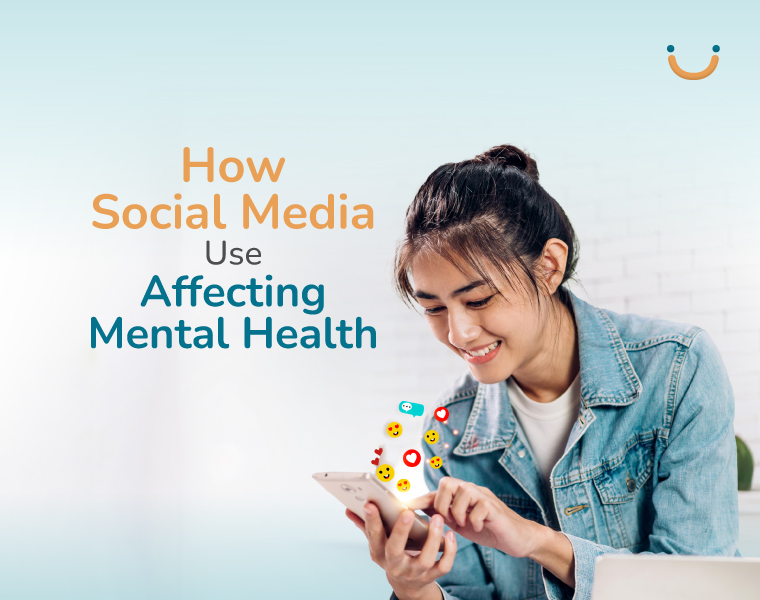
  • How Social Media Use Is Affecting Mental Health in the UAE

    How Social Media Use Is Affecting Mental Health in the UAE

    How Social Media Use Is Affecting Mental Health in the UAE

    Social media is everywhere now. From morning scrolls to late-night reels, it has quietly become part of everyday life. But people are starting to ask an honest question: how social media use is affecting mental health in the UAE.

    In this blog, we talk about what’s really happening behind the screens – the emotional effects, warning signs people often ignore, and practical ways to build a healthier relationship with social platforms.

    Table of Contents

    1. Why Social Media Feels So Hard to Ignore
    2. How Social Media Use Is Affecting Mental Health in the UAE
    3. Common Emotional and Psychological Signs
    4. Why Social Comparison Hits Harder Online
    5. Support and Guidance from Betterly Wellness
    6. Final Thoughts
    7. FAQs

    Why Social Media Feels So Hard to Ignore

    A decade ago, social media was mostly a place to share photos and stay connected with friends. Today it’s something much bigger. In the UAE, people spend several hours daily on platforms like Instagram, TikTok, and Snapchat.

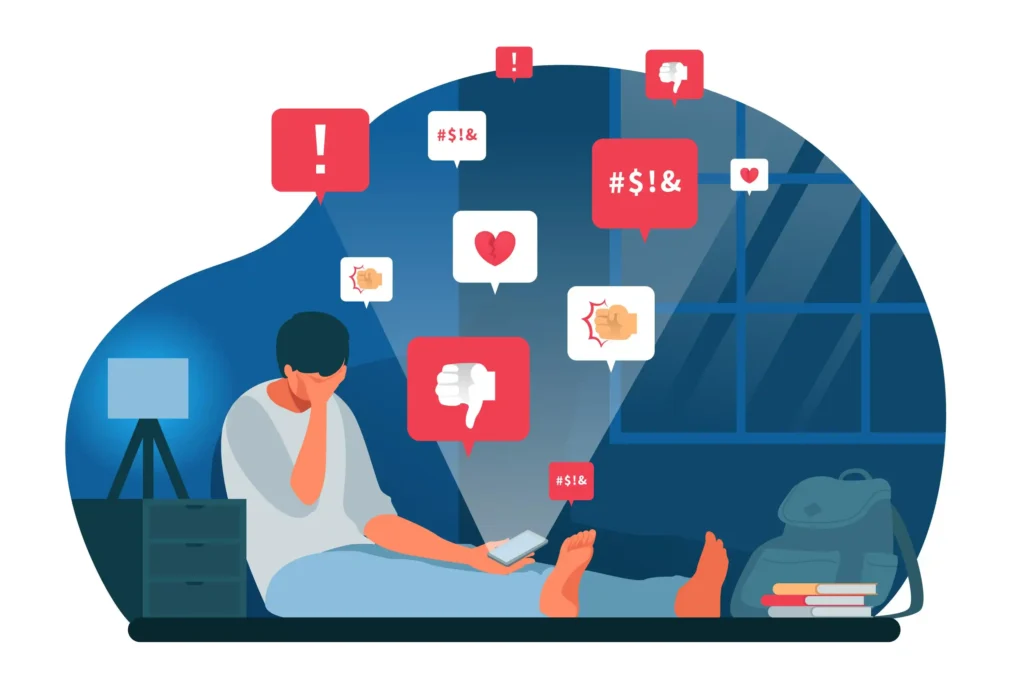
    Sometimes it feels harmless. Sometimes it’s fun. But slowly, for many people, constant scrolling starts affecting mood, sleep, confidence, and even relationships. And the tricky part? Most people don’t notice the change right away.

    How Social Media Use Is Affecting Mental Health in the UAE

    Social media itself isn’t the villain. It connects people, spreads information quickly, and even helps communities support each other.

    But the way it is used… that’s where things start shifting.

    Across the UAE, Mental health professionals increasingly observe patterns where excessive social media use is associated with anxiety, stress, and reduced self-esteem.. People reporting anxiety aMental health professionals increasingly observe patterns where excessive social media use is

    associated with anxiety, stress, and reduced self-esteem.Mental health professionals increasingly observe patterns where excessive social media use is

    associated with anxiety, stress, and reduced self-esteem.after spending hours online. Teens feeling pressure to look perfect. Adults feeling behind in life after seeing endless success stories.

    Research from organizations such as the World Health Organization (WHO) and the American Psychological Association (APA) suggests that excessive social media use may increase stress and feelings of loneliness, especially when it replaces real-world interaction.

    You see it often in small ways.

    • Someone wakes up and immediately checks notifications.
    • A post gets fewer likes than expected.
    • A friend’s vacation photo sparks a quiet comparison.

    Little moments. But repeated daily, they start shaping how people feel about themselves.

    Common Emotional and Psychological Signs

    Sometimes the effects appear slowly. People might not even link them to social media at first.

    Here are some signs many individuals in the UAE report during consultations:

    1. Constant Comparison
    Seeing curated lives online can make people feel like everyone else is doing better.

    2. Anxiety and Overthinking
    Waiting for likes, comments, or replies can create unnecessary tension.

    3. Sleep Problems
    Late-night scrolling disrupts sleep cycles, especially when phones stay near the bed.

    4. Reduced Self-Esteem
    Filters and edited photos often create unrealistic standards.

    5. Feeling Disconnected Offline
    Ironically, more time online can lead to fewer real conversations.

    These aren’t rare experiences anymore. In fact, studies show that heavy social media use is linked with symptoms of Anxiety Disorder and Depression, especially among young adults.

    Why Social Comparison Hits Harder Online

    People usually compare themselves to others in real life too. That’s normal. But online comparison works differently.

    On social media, we mostly see the highlight reel.

    • Perfect holidays.
    • Career wins.
    • Fitness transformations.
    • Happy couples.

    But we rarely see the hard days. The stress. The quiet struggles.

    So when someone scrolls through hundreds of these posts every day, the brain slowly begins believing that everyone else is happier, richer, more successful.

    And that thought… it can quietly chip away at mental well-being.

    Support for Healthier Digital Habits at Betterly Wellness

    At Betterly Wellness, we often meet people who feel overwhelmed by social media but aren’t sure what to do about it.

    It might start as stress, mood swings, or feeling constantly distracted. Sometimes parents come to us concerned about their teenagers’ screen habits. Other times, adults simply feel mentally exhausted after being online all day.

    As a trusted Mental Health Clinic in Sharjah, we focus on helping people rebuild a balanced relationship with technology and daily life.

    Some of the approaches we use include:

    1. Cognitive Behavioral Therapy (CBT)

    This helps identify negative thinking patterns caused by social comparison or online pressure.

    2. Digital Boundary Planning
    Simple strategies to limit screen time without feeling disconnected.

    3. Stress and Anxiety Management
    Learning how to calm the mind when online interactions start affecting mood.

    4. Family Guidance Sessions
    Helping parents understand healthy digital habits for children and teens.

    Often, small adjustments make a huge difference. Not quitting social media completely – just using it in a way that protects mental well-being.

    Practical Ways to Protect Your Mental Health Online

    If social media sometimes leaves you feeling drained, a few small changes can help.

    Set Screen Boundaries
    Try keeping at least one hour before sleep completely phone-free.

    Unfollow Accounts That Trigger Comparison
    Your feed should feel supportive, not stressful.

    Limit Passive Scrolling
    Instead of endless scrolling, use social media intentionally – message a friend, learn something, then log out.

    Schedule Offline Time
    Spend more time doing things that don’t involve screens: walking, hobbies, real conversations.

    Check Your Emotional Response
    After using social media, ask yourself: Do I feel better or worse?
    That simple question tells you a lot.

    Final Thoughts

    Social media isn’t going anywhere. It’s part of modern life, especially in a country like the UAE.

    But awareness matters.

    When people start noticing how online habits affect their mood, confidence, or sleep, they can make healthier choices. Sometimes it’s about reducing screen time. Sometimes it’s about talking to someone who understands.

    Mental well-being doesn’t require dramatic changes. Often, it’s just small steps taken consistently.

    And honestly… logging off once in a while can feel surprisingly peaceful.

    Take the First Step Toward Better Mental Well-Being

    If you feel that social media habits are affecting your mood, sleep, or daily life, it may help to speak with a mental health professional.

    At Betterly Wellness, we’re here to listen and guide you toward healthier routines and emotional balance.

    Book a consultation with our mental health professionals at Betterly Wellness.

    Because mental health deserves attention – both online and offline.

    Frequently Asked Questions

    Yes. Excessive social media use has been linked with anxiety, stress, and lower self-esteem, particularly when people engage in constant comparison.

  • Staying Mentally Safe During Conflict Situations

    Staying Mentally Safe During Conflict Situations

    Staying Mentally Safe During Conflict Situations

    A Practical Mental Health Guide for Individuals & Families in Sharjah, UAE In times of regional conflict or uncertainty, even when you are physically safe in the UAE, it is completely normal to feel heightened anxiety, tension, or restlessness. Constant news exposure, social media updates, and uncertainty can activate the body’s stress system. At Betterly Wellness Medical Center LLC in Sharjah, we are seeing an increase in individuals reporting anxiety, sleep disturbance, and difficulty concentrating during crisis periods. This guide will help you understand your stress response and provide evidence-based strategies to protect your mental wellbeing.

    Table of Contents

    1. Is What I’m Feeling Normal?
    2. Why Conflict Triggers Anxiety – Even If You’re Safe
    3. Evidence-Based Ways to Reduce Anxiety During Conflict
    4. Supporting Children During Conflict in the UAE
    5. Protecting Sleep During Stressful Times
    6. When to Seek Professional Mental Health Support in Sharjah
    7.  You Are Safer Than Your Anxiety Suggests
    8. Mental Health Support in Sharjah, UAE

    Is What I’m Feeling Normal? 

    When conflict dominates the news, many people experience temporary stress reactions. 

    1. Emotional Symptoms

        • Anxiety or nervousness
        • Irritability
        • Feeling overwhelmed

    2. Physical Symptoms

        • Tight chest
        • Headaches
        • Fatigue
        • Sleep disturbance

    3. Psychological Symptoms

      • Overthinking worst-case scenarios
      • Constantly checking updates
      • Difficulty focusing at work

    These are normal human responses to perceived threat. However, professional support may be needed if symptoms:

       • Persist for several weeks
       • Interfere with work or family life
       • Lead to panic attacks
       • Cause severe insomnia

    If you are experiencing these symptoms in Sharjah or nearby areas, early psychological support can prevent long-term impact.

    Why Conflict Triggers Anxiety – Even If You’re Safe

    The brain has a built-in survival system called the fight-or-flight response. Even indirect exposure — alarming headlines, loud sounds, viral videos — can activate this system. When this stress alarm remains active for too long, it may lead to:

       • Hypervigilance
       • Emotional exhaustion
       • Reduced resilience
       • Increased irritability

    The goal is not to eliminate concern. The goal is to regulate prolonged stress activation.

    Evidence-Based Ways to Reduce Anxiety During Conflict

    1. Limit News Consumption

    If you are feeling overwhelmed:

       • Choose 1–2 reliable news sources
       • Check updates once or twice daily
       • Avoid late-night scrolling
       • Avoid forwarded or unverified messages
       • Follow official UAE government communication

    Reducing overexposure significantly lowers anxiety levels.

    2. Practice Nervous System Regulation

    Try the 4–4–6 breathing technique:

       • Inhale for 4 seconds
       • Hold for 4 seconds
       • Exhale for 6 seconds
       • Repeat 5–7 times

    Slow breathing activates the parasympathetic nervous system, reducing stress hormones.

     3. Maintain Routine in Sharjah’s Daily Life

    Even during uncertainty:

       • Maintain consistent sleep and wake times
       • Continue work responsibilities
       • Engage in physical activity
       • Eat balanced meals

    Structure restores psychological stability.

    4. Focus on What You Can Control

    You cannot control geopolitics.

    You can control:
       • Your habits
       • Your preparedness
       • Your communication
       • Your reactions

    Shifting focus reduces helplessness.

    5. Stay Socially Connected

    Isolation increases anxiety.
    Speak to trusted friends and family. Avoid panic-driven discussions. Engage in normal daily
    conversations.

    If anxiety feels overwhelming, consider speaking to a licensed psychologist in Sharjah for
    professional guidance.

    Supporting Children During Conflict in the UAE

    Children are highly sensitive to environmental stress. They may not understand global events, but
    they sense adult anxiety

    1. Common Stress Signs in Children:

       • Clinginess
       • Nightmares
       • Irritability
       • Behavioral regression
       • Stomach aches or headaches

    2. How Parents Can Help:

       • Stay calm in front of them
       • Limit exposure to graphic media
       • Provide simple, age-appropriate explanations
       • Maintain school and play routines
       • Offer physical reassurance


    If your child’s anxiety persists, child psychology support in Sharjah can provide structured
    guidance.

    Protecting Sleep During Stressful Times

    Sleep is often the first area affected.

    To protect sleep:

       • Avoid news before bedtime
       • Dim lights in the evening
       • Practice breathing exercises
       • Engage in prayer or calming reflection

    Sleep restores emotional regulation.

    When to Seek Professional Mental Health Support in Sharjah

    Seek professional help if you experience:

       • Persistent panic attacks
       • Severe insomnia
       • Emotional breakdown
       • Inability to function at work
       • Hopelessness or thoughts of self-harm

    Early intervention prevents long-term trauma-related symptoms.
    At Betterly Wellness Medical Center LLC – Sharjah, our MOHAP-licensed mental health
    professionals provide:

       •  Anxiety counseling
       • Stress management therapy
       • Trauma-informed psychotherapy
       • Child & adolescent psychology services
       • Psychiatry consultation (if required)

    You Are Safer Than Your Anxiety Suggests

    Feeling concerned during conflict does not mean you are weak. It means your nervous system is
    reacting to uncertainty.
    Protect your mental health by:

       • Limiting exposure
       • Maintaining routine
       • Practicing calm breathing
       • Staying socially connected
       • Seeking support when needed

    Mental Health Support in Sharjah, UAE

    If stress, anxiety, or sleep disturbance is affecting your daily functioning, support is available.


     Betterly Wellness Medical  Center LLC
     Muwaileh Commercial,  Sharjah, UAE
     📞 +971 56 666 73 98
     🌐 www.betterlywellness.com

    Hope. Healing. Wellness with Precision.

  • Psychological Assessment in UAE: How to Know When It’s Time to Seek Help

    Psychological Assessment in UAE: How to Know When It’s Time to Seek Help

    Psychological Assessment in UAE: How to Know When It’s Time to Seek Help

    When thoughts feel confusing, emotions feel heavy, or behavior changes without clear reason, it might be time to pause and look deeper. This blog is about Psychological Assessment in UAE – what it really means, when you may need it, and how it can guide you toward the right support. I’ll walk you through signs, symptoms, treatment paths, and how proper evaluation can bring clarity instead of confusion.

    Table of Contents

    1. Why Understanding Your Mind Matters
    2. When Do You Need a Psychological Assessment in UAE?
    3. What Happens During a Psychological Assessment?
    4. Common Conditions Identified Through Assessment
    5. How Betterly Wellness Approaches Mental Health Evaluation
    6. Symptoms You Shouldn’t Ignore
    7. Is Psychological Testing Only for Severe Cases?
    8. FAQs About Psychological Assessments
    9. Final Thoughts: Listening to Your Mind Is Strength
    10. Ready to Take the First Step?

    Why Understanding Your Mind Matters

    Most people wait. We wait until stress becomes burnout. Until sadness becomes isolation. Until anxiety starts affecting sleep, work, or relationships. I’ve seen this pattern so many times.

    But mental health rarely shouts. It whispers first.

    A psychological evaluation isn’t about labeling someone. It’s about understanding what’s happening beneath the surface. Just like you’d do blood tests for physical symptoms, your mind also deserves a closer look when something feels “off.”

    And no, seeking help doesn’t mean something is seriously wrong. Sometimes it just means you want answers.

    When Do You Need a Psychological Assessment in UAE?

    There’s no single “correct” moment. But there are patterns.

    You may consider a Psychological Assessment in UAE if you notice:

    • Ongoing anxiety, fear, or panic attacks
    • Persistent low mood or lack of interest in daily life
    • Difficulty concentrating or memory problems
    • Sudden anger or emotional outbursts
    • Sleep disturbances (too much or too little)
    • Behavioral issues in children or teenagers
    • Academic struggles without clear reason
    • Workplace stress that feels unmanageable
    • Relationship conflicts caused by emotional triggers

    Sometimes people say, “Maybe I’m just overthinking.” Maybe. But when overthinking doesn’t stop for weeks or months, that’s not just a bad day.

    It’s information. And information deserves attention.

    For clinical definitions of mental health conditions, you can also refer to the World Health Organization, which explains how mental health affects thinking, behavior, and emotional regulation.

    What Happens During a Psychological Assessment?

    Many people imagine something scary or intense. It’s actually structured, calm, and conversation-based.

    Here’s what usually happens:

    1. Initial Clinical Interview
    We talk. About your concerns, history, daily patterns, sleep, stress, relationships. Nothing dramatic. Just honest discussion.

    2. Standardized Psychological Tests
    These may include cognitive tests, personality assessments, emotional screening tools, or behavior checklists. They are scientifically validated tools used worldwide.

    3. Behavioral Observations
    Small details matter – communication style, emotional responses, focus levels.

    4. Detailed Report and Feedback
    This is the important part. You receive clarity. Not just scores, but explanations. What it means. What to do next.

    The goal isn’t to judge. It’s to understand.

    Common Conditions Identified Through Assessment

    Psychological testing can help identify:

    • Anxiety disorders
    • Depression
    • ADHD (in children and adults)
    • Autism spectrum conditions (often requiring multidisciplinary evaluation, including involvement of a developmental pediatrician or psychiatrist)
    • Learning disabilities
    • Trauma-related conditions
    • Personality traits and personality disorder patterns
    • Mood disorders

    Sometimes people assume they have one issue, but assessment shows something different. That’s why guessing doesn’t work. Structured evaluation does.

    And yes, it can feel relieving when there’s finally a name for what you’ve been experiencing. Clarity reduces fear.

    How Betterly Wellness Approaches Mental Health Evaluation

    At Betterly Wellness in Sharjah, we don’t rush assessments. We take time. We listen properly. Mental health services in Sharjah should feel safe, not clinical and cold.

    Our approach includes:

    • Evidence-based psychological testing
    • Individualized interpretation
    • Culturally sensitive care
    • Clear explanation of next steps
    • Treatment planning based on results

    If you’ve been searching for Psychological Assessment in sharjah, what truly matters is not just the test – but who interprets it. The right evaluation can guide therapy, medication decisions (if required), academic planning for children, or workplace accommodations.

    We also integrate therapy options such as:

    • Cognitive Behavioral Therapy (CBT)
    • Family therapy
    • Child and adolescent counseling
    • Stress management sessions
    • Psychiatric referrals when needed

    Assessment is the starting point. Treatment becomes more accurate after that.

    Symptoms You Shouldn’t Ignore

    Some symptoms get normalized too easily. Let’s be honest about a few:

    • Constant fatigue even after rest
    • Irritability over small things
    • Avoiding social interaction
    • Difficulty finishing simple tasks
    • Feeling detached or disconnected from surroundings
    • Negative thoughts that don’t stop

    If these patterns last more than two weeks and begin affecting work, school, or family life, that’s not “just stress.”

    That’s your mind asking for support.

    And early support prevents long-term complications.

    Is Psychological Testing Only for Severe Cases?

    Not at all.

    Students use it for academic clarity. Parents use it to understand a child’s learning pattern. Professionals use it to manage burnout. Couples use it to identify communication issues.

    It’s not about severity. It’s about clarity.

    We believe waiting until things collapse makes recovery harder. Early assessment shortens suffering. It’s that simple.

    FAQs About Psychological Assessments

    Yes. All information remains private and follows UAE healthcare confidentiality guidelines.

    Final Thoughts: Listening to Your Mind Is Strength

    Mental health isn’t dramatic. It’s subtle. It shows up quietly in your daily routine, your reactions, your sleep, your relationships.

    Seeking a psychological evaluation doesn’t mean weakness. It means awareness.

    And awareness changes everything.

    If you’ve been questioning your emotions for weeks… maybe even months… that question itself is worth exploring. Don’t ignore it. Don’t push it away again.

    Clarity brings relief. Even if the answer isn’t what you expected.

    Ready to Take the First Step?

    If you feel it might be time for a Psychological Assessment in UAE, reach out to Betterly Wellness today. Early understanding leads to better outcomes, healthier relationships, and a calmer mind.

    Visit Us to book a confidential consultation and begin your path toward mental clarity.

    Your mind deserves the same care as your body. Maybe even more.

  • How to Choose the Right Psychiatrist in UAE

    How to Choose the Right Psychiatrist in UAE

    How to Choose the Right Psychiatrist in UAE

    Finding the right Psychiatrist in UAE can feel confusing. There are many clinics, many doctors, and honestly, many opinions. This blog will help you understand what actually matters when choosing a psychiatrist, what questions to ask, and how to make a decision that feels right for you and your family.

    Table of Contents

    1. How to Choose the Right Psychiatrist in UAE
    2. Choosing a Mental Health Professional Is Personal
    3. What to Look for in a Psychiatrist in UAE
    4. Questions You Can Ask During the First Consultation
    5. Cultural Understanding and Language Comfort Matter More Than You Think
    6. Private Clinic or Hospital Setting?
    7. Why Families Trust Betterly Wellness for Psychiatric Care
    8. Final Thoughts on Choosing the Right Psychiatrist
    9. Ready to Take the First Step?

    Choosing a mental health professional is personal

    Let’s say you finally decide to seek help. That itself is not a small step. Now comes the next question – who should you trust with your mental health?

    In the UAE, mental health services are growing fast. You’ll find private clinics, hospitals, online consultations, and specialized centers. But not every psychiatrist will be the right fit for you. And that’s okay. This isn’t about picking the “best” on paper. It’s about choosing someone who understands your concerns, your pace, and your comfort level.

    Mental health treatment is not one-size-fits-all. It’s human. It’s sensitive. So the decision deserves a little thought.

    What to Look for in a Psychiatrist in UAE

    When searching for a Psychiatrist in UAE, here are the practical things we suggest paying attention to:

    1- Proper Licensing and Credentials

    Always check if the psychiatrist is licensed by UAE health authorities such as the

    Ministry of Health and Prevention (MOHAP), the Dubai Health Authority (DHA), or the Department of Health – Abu Dhabi (DOH), depending on the emirate of practice.

    It sounds obvious, but many people skip this step.

    2. Area of Specialization

    Not all psychiatrists treat everything. Some focus more on anxiety disorders, others on depression, ADHD, trauma, bipolar disorder, or child and adolescent psychiatry.

    If you’re seeking support for a teenager, for example, a general adult psychiatrist might not be ideal. Matching the doctor’s experience with your concern makes a big difference.

    3. Approach to Treatment

    Treatment styles vary. Some psychiatrists prioritize pharmacological management, while others integrate medication with psychotherapy and collaborative care approaches.

    There’s no right or wrong here. But you should feel heard. If you prefer detailed explanations and shared decision-making, choose someone who works that way.

    4. Comfort and Communication

    This is huge.

    After the first consultation, ask yourself:

    • Did I feel rushed?
    • Was I judged?
    • Did I feel safe sharing personal details?

    If something feels off, it probably is. It’s okay to seek another opinion.

    Questions You Can Ask During the First Consultation

    Many people feel shy asking questions. But remember, this is your mental health.

    Here are simple questions you can ask:

    • What is your experience with my condition?
    • How do you usually treat it?
    • Will therapy be included or only medication?
    • How long does treatment usually take?
    • What are possible side effects of the medication?

    A good psychiatrist will answer calmly and clearly. No irritation. No dismissiveness.

    Cultural Understanding and Language Comfort Matter More Than You Think

    Living in the UAE means being surrounded by different cultures, languages, and belief systems. And honestly, mental health is shaped a lot by culture. The way stress is expressed, how families handle emotional issues, even how medication is viewed – all of it can vary.

    When choosing a psychiatrist, ask yourself: Do they understand my cultural background? Can I speak freely in my preferred language? Sometimes small misunderstandings create distance. And in mental health care, distance doesn’t help.

    Feeling culturally understood builds trust faster. It makes difficult conversations easier. And therapy works better when nothing feels lost in translation.

    Private Clinic or Hospital Setting?

    In the UAE, you’ll find psychiatrists working in both hospitals and private mental health centers.

    Hospitals may feel more structured and clinical. Private wellness clinics often offer a quieter environment and longer consultation time. Some people prefer that more personal setting.

    Also consider:

    • Location and travel time
    • Appointment availability
    • Follow-up flexibility

    Small practical things matter more than we think.

    Why Families Trust Betterly Wellness for Psychiatric Care

    At Betterly Wellness, we’ve spent years working with individuals and families who want thoughtful, respectful mental health support. We don’t believe in rushing sessions or pushing one fixed method.

    When someone walks in looking for a Psychiatrist in sharjah , the focus is simple – listen first. Diagnose carefully. Plan realistically.

    Our psychiatric services are built around real conversations. Medication, when needed, is prescribed responsibly. Therapy is often integrated into the treatment plan. And follow-ups are not treated as a formality; they are part of ongoing care.

    We support adults, adolescents, and families dealing with concerns such as anxiety, mood disorders, stress-related conditions, behavioral challenges, and more. Everything we do aligns with ethical medical practice and UAE health regulations.

    And yes, we understand that walking into a mental health clinic for the first time can feel heavy. We try to make it feel less clinical, more human.

    Final Thoughts on Choosing the Right Psychiatrist

    Choosing a psychiatrist is not like booking a dental cleaning. It’s deeper than that.

    Sometimes the first doctor you meet will feel right. Sometimes it won’t. That’s normal. Mental health treatment works best when there is trust. And trust takes honesty – on both sides.

    Look for proper qualifications. Check experience. Notice how you feel in the room. That feeling matters.

    Don’t rush the decision just because you feel pressured to “start treatment immediately.” The right support is worth taking a few extra days to choose.

    Your mental well-being deserves that care.

    Ready to Take the First Step?

    If you’re considering speaking with a Psychiatrist in UAE, we welcome you to connect with Betterly Wellness. Our team offers professional psychiatric evaluation and ongoing mental health care in Sharjah in a calm and respectful setting.

    Sometimes the hardest part is starting. Once you do, things slowly begin to make sense. And that’s where real progress begins.